Office Address
Siddique Tower (Level-2), House 45, Road-1, Block-A, Niketan, Dhaka-1212
Office Address
Siddique Tower (Level-2), House 45, Road-1, Block-A, Niketan, Dhaka-1212
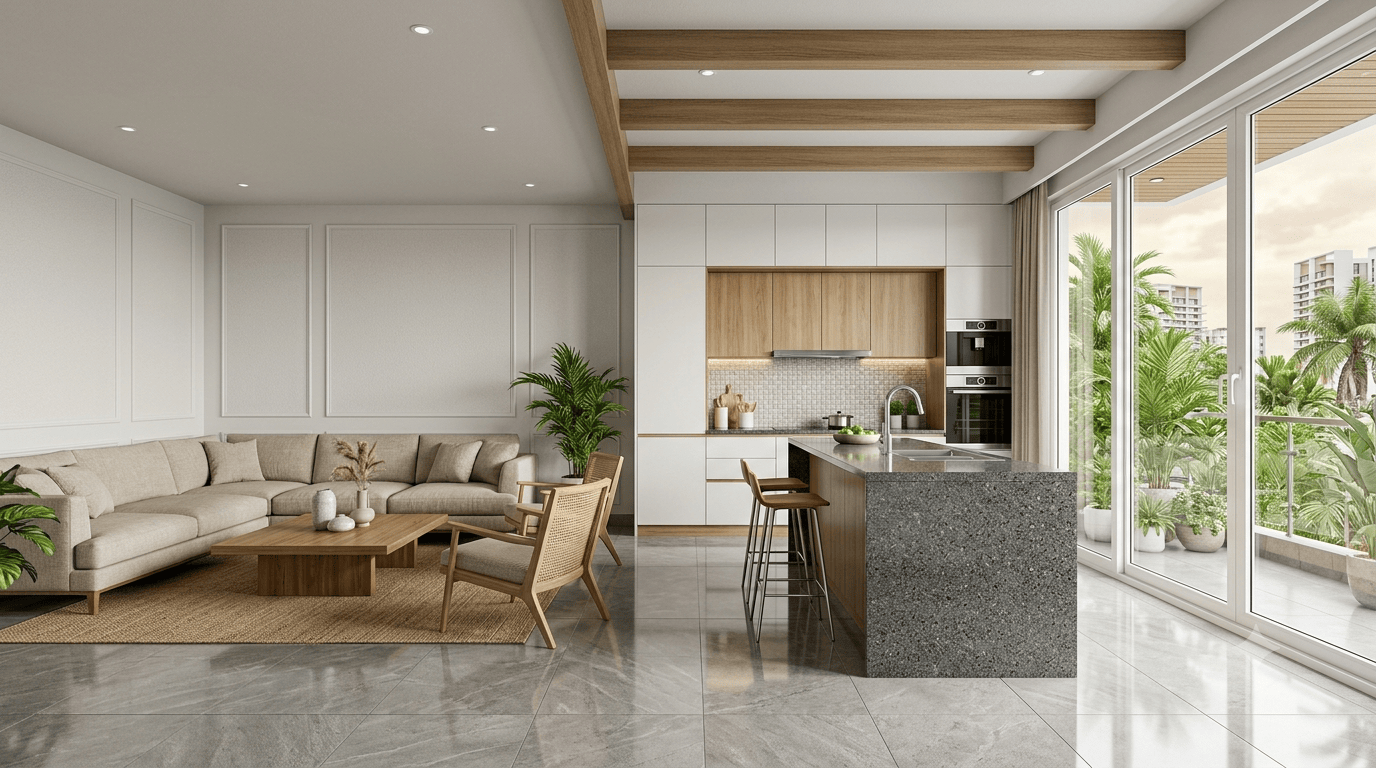
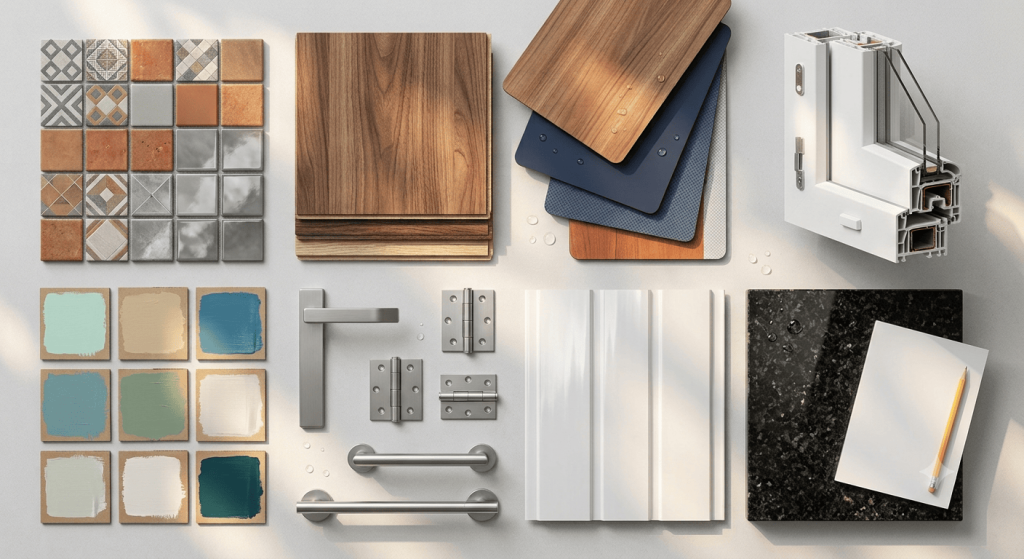
Bangladesh’s climate is tough on interiors. High humidity and intense heat can damage many materials quickly. If you want your space to last, you must choose wisely. The best interior design materials in Bangladesh are not only beautiful—they are strong, easy to maintain, and built for our weather. For most homes and offices, materials like ceramic tiles, uPVC, engineered wood, and laminate are top choices. These resist moisture, heat, and pests better than traditional options.
If you’re planning a new interior or renovating, this guide will help you understand which materials work best in Bangladesh’s climate. We’ll cover flooring, wood and furniture, wall and ceiling finishes, and special areas like kitchens and bathrooms. Whenever you need more details, you can visit our posts about wardrobes, TV cabinets, kitchens, bathrooms, and bedrooms. Let’s start by exploring how climate affects material choices in Bangladesh.
Bangladesh is warm and humid almost all year. The average relative humidity is 70–80%. Monsoon rains add extra moisture. Temperatures often reach 35°C (95°F) or higher. These conditions can cause wood to expand, metal to rust, and paint to peel.
Materials also face mold, termites, and other pests.
Three key climate challenges to consider:
To protect your investment, always ask: Will this material handle moisture and heat? Can it resist pests? If not, repair costs can add up fast. For most rooms, choose materials with proven resistance to humidity and heat. This is more important than style alone.
Some materials handle Bangladesh’s climate much better than others. Here are four of the most reliable options:
These materials are widely available, affordable, and recommended by most professionals. They are also easy to customize for different designs.
Choosing the right flooring is a big decision. It must look good, feel comfortable, and last through Bangladesh’s weather. Let’s compare the main options:
| Material | Durability | Moisture Resistance | Maintenance | Cost |
|---|---|---|---|---|
| Ceramic Tile | Very High | Excellent | Low | Medium |
| Marble | High | Good | Medium | High |
| Wood | Medium | Low–Medium | High | High |
| Vinyl/ Laminate | Medium | Good | Low | Low–Medium |
Ceramic tiles are the most popular for floors in Bangladesh. They are waterproof, resist stains, and do not crack easily. You can use them in living rooms, kitchens, bathrooms, and even bedrooms. Choose a slip-resistant finish for wet areas.
Marble offers a luxury look and feels cool underfoot. However, it is expensive and needs regular polishing. Marble absorbs water if unsealed, so it’s less ideal for humid zones. It can also stain from spills.
Wood floors look warm and natural. But solid wood can warp in high humidity. Engineered wood is better—it has a stable base and a wood top layer. For more on wood in interiors, check our wardrobe and TV cabinet guides.
Vinyl and laminate floors mimic wood or stone but are cheaper and easier to maintain. They resist moisture better than real wood, making them suitable for most rooms. Laminate can fade under strong sunlight.
Wood is a classic material for furniture. In Bangladesh, solid wood and engineered wood are both popular. But climate makes a big difference.
| Type | Moisture Resistance | Pest Resistance | Cost | Common Use |
|---|---|---|---|---|
| Solid Wood | Poor–Medium | Poor–Medium | High | Tables, chairs |
| Plywood | Medium | Medium | Medium | Cabinets, shelves |
| Particle Board | Poor | Poor | Low | Budget furniture |
| Engineered Wood | Good | Good | Medium–High | Wardrobes, TV cabinets |
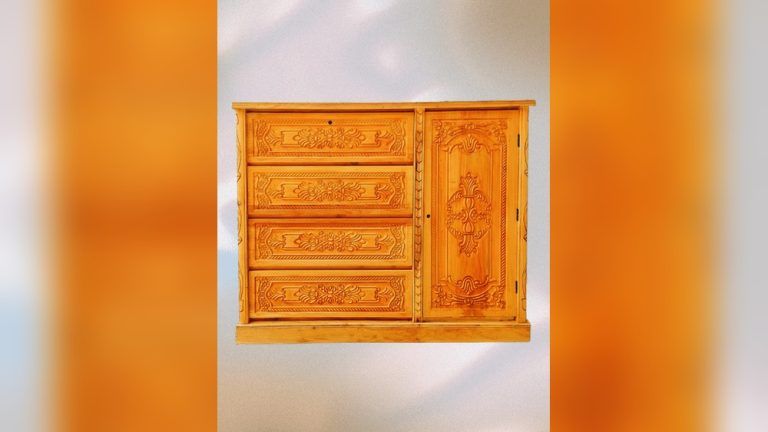
Solid wood (like teak or mahogany) is strong and beautiful. But untreated wood can rot or attract termites. It’s best for dry, well-ventilated spaces. For wardrobes or TV cabinets, engineered wood is safer.
Plywood is made of layers glued together. It’s more stable than solid wood and less likely to warp. Engineered wood (like MDF or HDF) is even better for moisture and pest resistance. It is used widely for wardrobes, TV cabinets, and modular furniture.
For deep wardrobe advice, see our wardrobe post. For TV cabinet details, check our TV cabinet guide.
Laminates are thin sheets glued to wood or engineered boards. They resist scratches and moisture. Veneers are thin wood sheets on top of boards, giving a real wood look. Laminates are easier to maintain; veneers are more delicate.
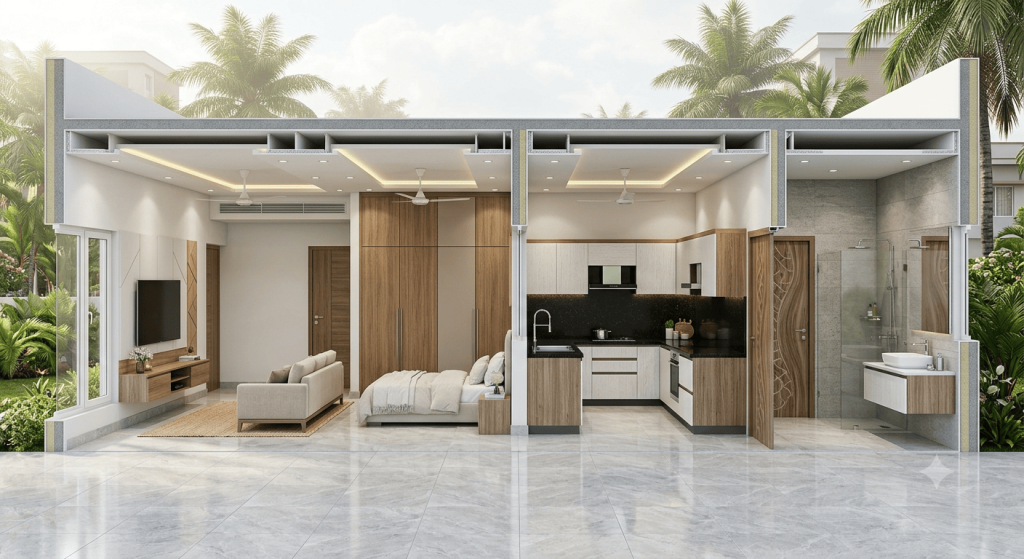
Walls and ceilings face constant humidity and heat. Choosing the right materials prevents mold and keeps colors fresh.
Use acrylic emulsion paints for most rooms. They dry fast, resist moisture, and are easy to clean. Avoid cheap paints, as they peel and fade quickly.
Wallpapers add texture and pattern. Choose vinyl-based wallpaper for better moisture resistance. Paper-based wallpapers can peel in humid conditions.
Wall panels (PVC, HPL, or wood) protect walls from damage and add style. PVC panels are waterproof and easy to clean. HPL panels are tough and scratch-resistant.
False ceilings hide wires and improve room acoustics. Gypsum board is the most common material. It’s lightweight and resists fire. For wet areas, use PVC or moisture-resistant gypsum.
For rooms near bathrooms or kitchens, use moisture-resistant boards and paints. These prevent damp spots and mold growth. It’s a small investment that saves money in repairs.
Bathrooms and kitchens face the most water and heat. Materials must be strong, waterproof, and easy to clean.
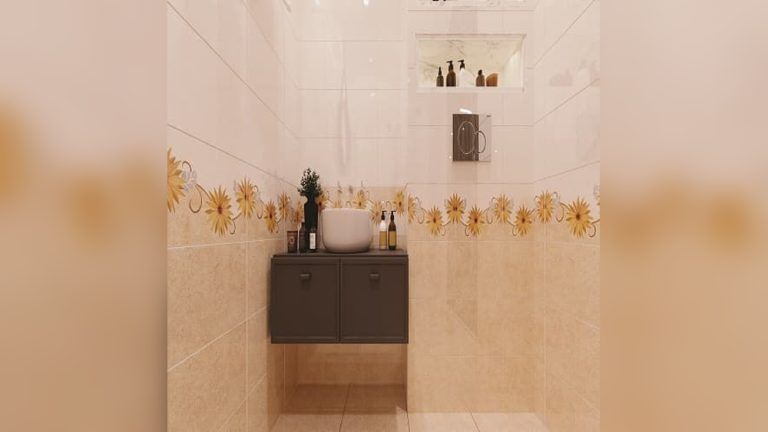
For more on bathroom design and materials, visit our bathroom post.
For detailed kitchen advice, check our kitchen post.
Bedrooms need materials that are soft, warm, and safe. But remember, moisture can still affect them.
For more bedroom design tips, see our bedroom post.
When choosing any interior material in Bangladesh, ask these three questions:
If you answer “no” to any question, look for alternatives. Materials that fail in one area often lead to expensive repairs and replacements. For most spaces, ceramic tile, uPVC, engineered wood, and high-pressure laminate are safe bets. For special zones like kitchens and bathrooms, always use waterproof and heat-resistant options.
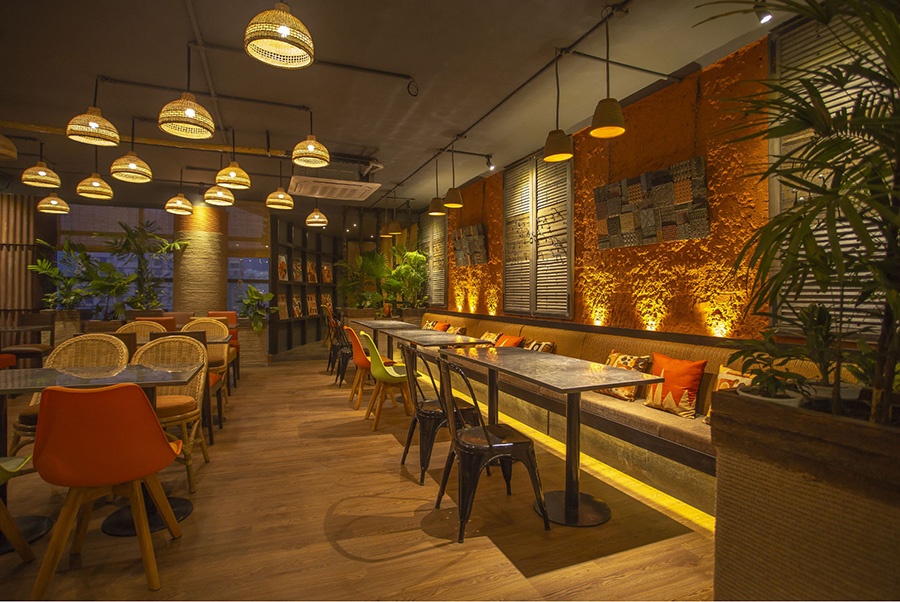
While there is no central database, market surveys and supplier reports show that ceramic tiles are used in over 70% of new apartments in Dhaka. Engineered wood and laminate now make up more than half of modern furniture sold. uPVC is replacing wood in doors and windows for new construction.
Here’s a simple summary of how common materials perform in Bangladesh’s climate:
| Material | Moisture Resistance | Pest Resistance | Heat Resistance |
|---|---|---|---|
| Ceramic Tile | Excellent | Excellent | Good |
| uPVC | Excellent | Excellent | Good |
| Engineered Wood | Good | Good | Medium |
| Solid Wood | Poor | Poor | Medium |
| Laminate | Good | Good | Good |
| Marble | Good | Excellent | Good |
Choosing the right interior design materials in Bangladesh is not about following trends—it’s about smart planning. Materials that resist moisture, heat, and pests will save you money and keep your space looking fresh. For every room, start with climate-durable materials like ceramic tiles, uPVC, engineered wood, and laminate. When you need deep advice on wardrobes, TV cabinets, kitchens, bathrooms, or bedrooms, visit our specialized posts.
Unique Interior & Design can help you select and install the best materials for your needs. Contact us for a personal consultation. Your dream space starts with the right choices—make them confidently, and enjoy lasting beauty and comfort.
For more in-depth material science and climate data, see this Wikipedia Interior Design Overview.

Sarwar Hossain is an interior design professional with 15+ years of experience and the founder of Unique Interior BD, which has completed 350+ interior and fit-out projects across Bangladesh since 2015. He is the Vice President of the Bangladesh Interior Companies Association, a General Member of the Entrepreneurs Club, and winner of the South Asian Business Excellence Awards 2025.



[…] no single “best” material for every situation — the right choice depends on moisture exposure, budget, and how much daily use an item […]