Office Address
Siddique Tower (Level-2), House 45, Road-1, Block-A, Niketan, Dhaka-1212
Office Address
Siddique Tower (Level-2), House 45, Road-1, Block-A, Niketan, Dhaka-1212
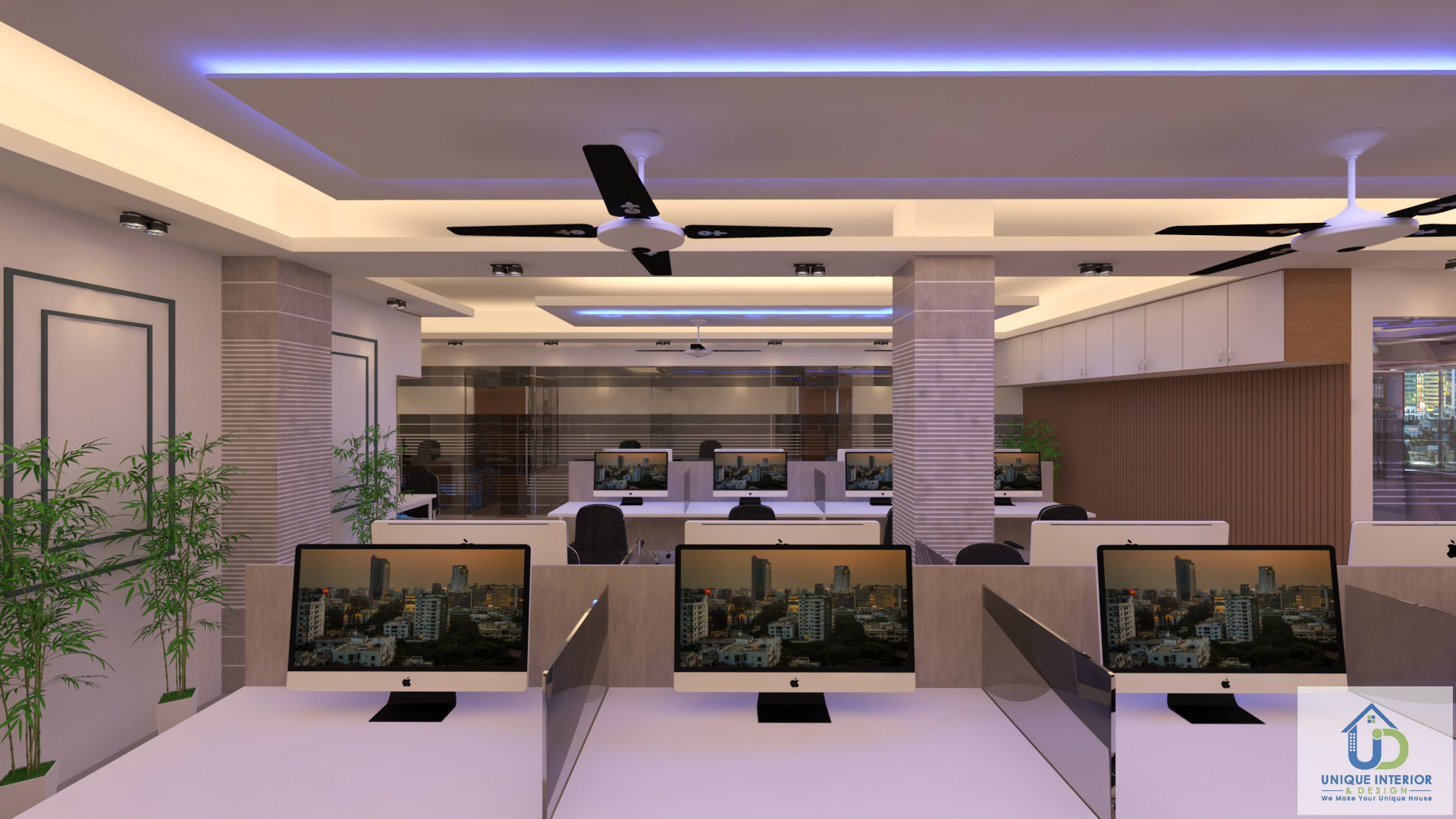
False ceiling design has changed the look of modern homes, offices, and even kitchens. But choosing the right interior ceiling design is not as simple as picking a photo from Pinterest. The wrong material or style can waste money, make your room feel smaller, or even cause cracks later. This guide from Unique Interior & Design, Dhaka, gives you straight answers for every room, with real prices, tradeoffs, and expert advice on how drop-height matters in Bangladesh apartments.
Before you choose a design, focus on function. Every room has its own needs. The perfect material for your bedroom may not suit your kitchen or bathroom. And in many Dhaka flats, the ceiling is low — lose too much height, and your room feels cramped. Here’s a quick, honest guide to the best material for each room, with the drop-height risk called out:
| Room | Recommended Material | Why | Drop Height (Min) | Risk for Small Flats? |
|---|---|---|---|---|
| Living/Drawing | Gypsum + Tray/Cove | Looks premium, hides lights | 4-6 inches | Medium |
| Bedroom | Simple Gypsum | Smooth, easy maintenance | 3-4 inches | Low-Medium |
| Kitchen/Bath | PVC | Moisture-proof, easy clean | 2.5-3 inches | Low |
| Office | Acoustic Fiber | Sound proofing, easy access | 6+ inches | High (if low ceiling) |
Key Insight: If your floor-to-ceiling height is below 9 feet, every inch of drop makes your room feel smaller. For rooms under 8.5 feet, avoid deep tray or cove designs. Stick to simple, flat or PVC ceilings.
Choosing the best false ceiling material is about more than looks. Each has a real price, lifespan, and “hidden” tradeoff. Here’s a side-by-side comparison:
| Material | Price (৳/sqft) | Main Pros | Main Cons | Best For |
|---|---|---|---|---|
| Gypsum Board | ৳90–250 | Smooth, fire-resistant, easy to shape | Not water-proof, needs skilled work | Living, bedrooms |
| POP (Plaster of Paris) | ৳70–150 | Low cost, easy for curves | Cracks with vibration, dust, slow work | Budget rooms |
| PVC Panels | ৳120–200 | Water-proof, termite-proof, easy clean | Looks less “premium,” joints may show | Kitchen, bath |
| Fiber Acoustic Tiles | ৳140–220 | Soundproof, easy access for wiring | Industrial look, limited shapes | Offices, home theaters |
Gypsum gives a smooth, modern look. It’s easy to cut into trays or coves, and you can paint it any color. It handles heat well and is fire-resistant. However, gypsum ceiling is not water-proof. Leaks from above or high humidity can damage it. Skilled workers are needed for a perfect finish. Typical price in Dhaka is ৳90–250 per square foot.
POP is the old favorite for curved and ornate shapes. It’s cheaper than gypsum (৳70–150/sqft). But it has two big risks: it cracks easily if the building vibrates (common near busy roads or in new buildings), and it attracts dust. Installation is slow, and finish quality depends a lot on labor skill. Avoid POP in new or still-settling buildings.
PVC false ceilings are perfect for wet areas. They resist water, don’t attract termites, and are easy to clean. The price is moderate (৳120–200/sqft). Downsides: the look is less “premium,” and visible joints can spoil the effect in large rooms. For kitchens, bathrooms, or balconies, PVC is a safe, low-stress pick.
Fiber (mineral or glass) tiles are used in office ceilings. They cut noise, are easy to lift for wiring work, and offer fire safety. Cost is around ৳140–220/sqft. The look is simple—don’t expect fancy shapes. Not recommended for bedrooms or living rooms unless you want a true “office” look.
Non-obvious insight: Many homeowners skip fiber ceilings for home offices to “save space,” but the soundproofing is worth it if you work from home or record audio/video.
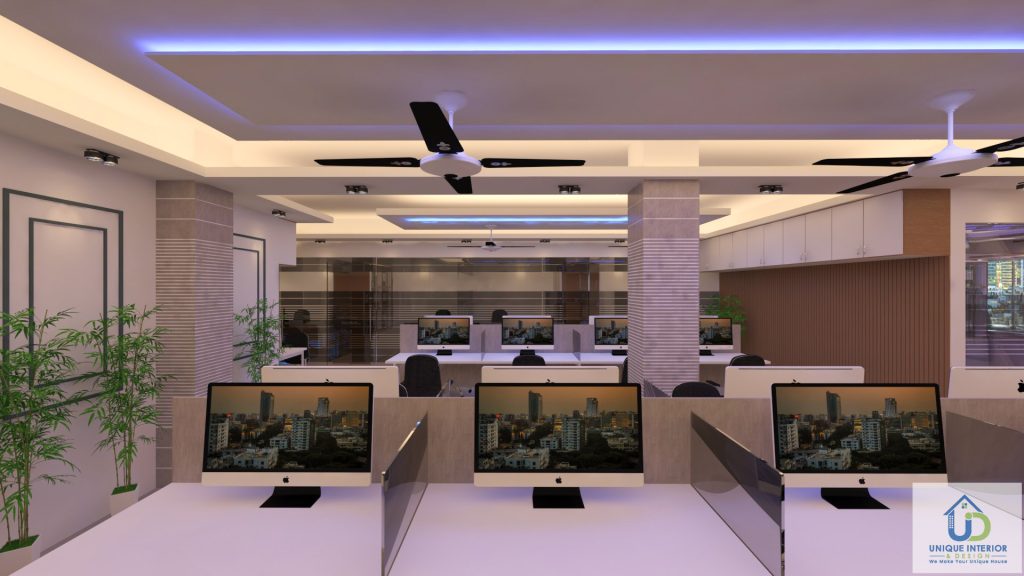
Every room has its own ideal ceiling design. Here’s a practical breakdown, with clear “yes/no” guidance:
The living room is where you can show off. Tray ceilings (a dropped border with a raised center) and cove lighting (hidden LED strips) give a luxury feel. Gypsum is best for this — you get smooth lines and can easily shape the ceiling. But remember:
Example: A 12×15 ft living room with a 10-ft ceiling can handle a 6-inch tray and cove. If your ceiling is 8.5 ft, limit the drop to 3 inches and skip the cove.
Expert tip: For a more spacious look, use a simple border design and mirrors or glossy paint to reflect light.
For bedrooms, comfort is key. Flat gypsum ceilings are easy to clean and maintain. You can add a small central panel or a thin border for interest. Avoid deep trays unless you have a high ceiling.
Example: A 10×12 ft bedroom with a 9-ft ceiling: a flat gypsum ceiling with a 3-inch drop, and four recessed lights.
Practical insight: Many people try to copy hotel-style ceilings, but in a small Dhaka bedroom, simple is better. Complex designs make the room feel tight.
In wet or humid rooms, PVC ceiling panels are the best pick. They won’t rot, swell, or get moldy. They’re easy to wipe clean and resist stains. Installation is fast, with little mess.
Example: A 7×10 ft kitchen: PVC ceiling, 2.5-inch drop, three LED panels.
Mistake to avoid: Using gypsum or POP in kitchens/baths is risky. Even small leaks from pipes can ruin them.
If you want a quiet workspace, fiber ceiling tiles are ideal. They absorb sound, so phone calls or video meetings are less echoey. Tiles can be removed for easy access to wiring — great for upgrades.
Example: A 12×14 ft home office: fiber ceiling, 6-inch drop, four 2×2 ft LED panels.
Hidden benefit: If you ever need to run new data cables or fix leaks, fiber tiles lift out without cutting or breaking.
Common mistake: Trying to use fiber tiles in rooms with ceilings under 9 feet — the room may feel “squashed.”
One of the most overlooked issues with false ceiling design in Bangladesh is ceiling height loss. Most modern apartments in Dhaka have ceilings between 8.5 to 10 feet. Every inch of drop reduces the sense of space, light, and even air flow.
A basic false ceiling needs at least 2. 5–3 inches for frame and panel. Cove or tray designs, and fiber grids, often need 4–8 inches. In a room with a 9-ft (108 inches) ceiling, a 6-inch drop reduces usable height to 8.
5 ft (102 inches). That’s a big change.
Non-obvious insight: Many people regret deep trays later. It’s better to use a flat or border-only design in small spaces, and add style with lighting or color.
Expert tip: Always measure floor-to-ceiling after plaster but before ceiling design. Mock up the drop with cardboard to “see” the effect before you build.
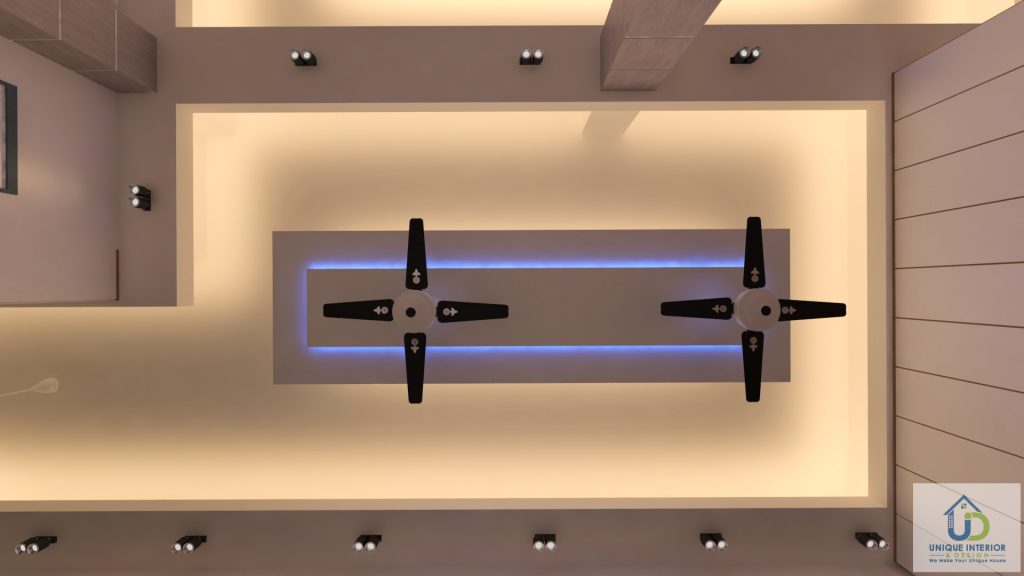
False ceiling design is not just about looks — it’s the “backbone” for modern lighting and room mood. The ceiling shape, material, and color all change how light works in your room.
Example: Tray ceiling + cove lighting = “soft glow” in living rooms. Flat PVC ceiling + LED panel = “bright, clean” kitchen.
Color tip: Light colors on the ceiling make rooms look bigger. Dark colors can look dramatic but shrink the room visually.
Practical insight: Never put heavy chandeliers on false ceilings unless extra support is built in. Most gypsum, POP, or PVC ceilings cannot support heavy loads.
A false ceiling is the perfect time to “hide” wires for AC, speakers, Wi-Fi, or CCTV. Plan ahead — it’s very hard to add these later. In fiber tile ceilings, you can upgrade easily, but in fixed gypsum or POP, changes are messy.
Mistake to avoid: Not planning for future tech. Always add at least two empty conduits (pipes) in living rooms and offices.
POP (Plaster of Paris) is the cheapest, at ৳70–150 per square foot. However, it’s more likely to crack near construction, vibration, or in new buildings. Gypsum is pricier but lasts longer.
PVC is best for kitchens, bathrooms, and balconies because it resists water and mold. For living rooms and bedrooms, gypsum or POP looks better and allows more design options.
A basic false ceiling drops your ceiling by 2.5–3 inches. Tray or cove designs need 4–6 inches. Fiber tile ceilings (offices) need 6+ inches. In small flats, even a 3-inch drop can feel tight.
Yes, a false ceiling can help reduce heat by blocking direct sunlight from roofs. But in low-ceiling rooms, it can also trap hot air. Good ventilation and light color help balance this.
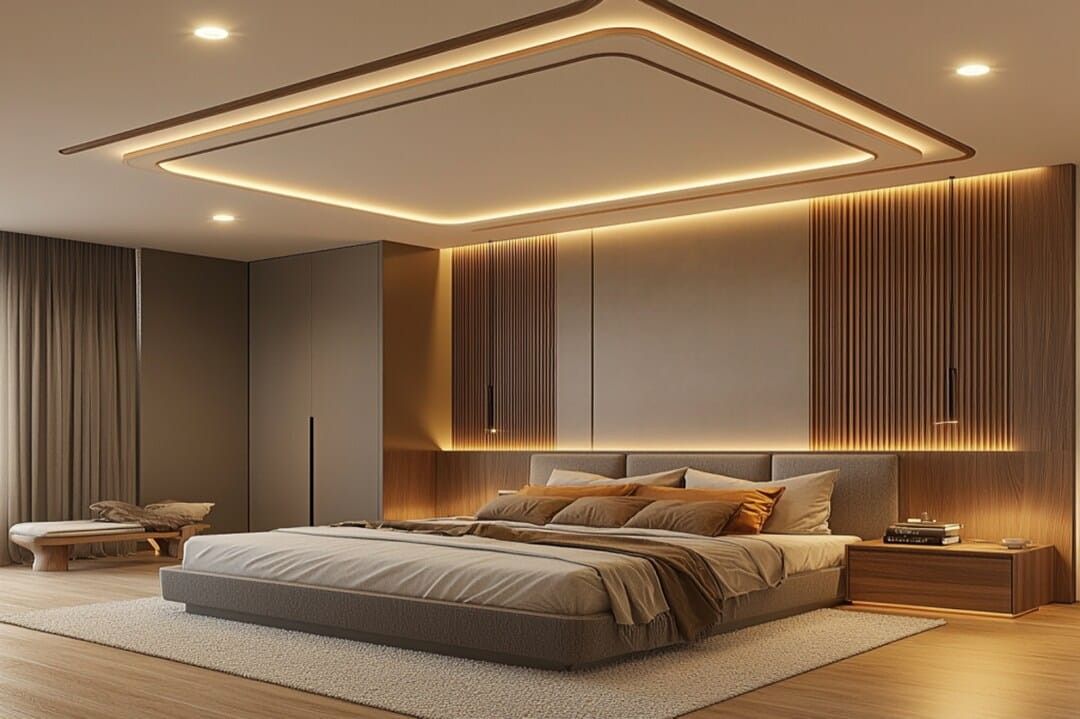
False ceiling design is more than decoration — it’s a smart way to hide wiring, improve lighting, and change a room’s mood. But in Bangladesh, you must balance looks, height, and cost. Whether you need a modern living room, a cool office, or a waterproof kitchen ceiling, Unique Interior & Design can guide you from plan to perfect finish. Want an expert opinion on your room? Reach out for a free site check — and see your home rise to a new level.
For more details on gypsum and PVC ceiling standards, see Wikipedia: Drop Ceiling.

Sarwar Hossain is an interior design professional with 15+ years of experience and the founder of Unique Interior BD, which has completed 350+ interior and fit-out projects across Bangladesh since 2015. He is the Vice President of the Bangladesh Interior Companies Association, a General Member of the Entrepreneurs Club, and winner of the South Asian Business Excellence Awards 2025.