Office Address
Siddique Tower (Level-2), House 45, Road-1, Block-A, Niketan, Dhaka-1212
Office Address
Siddique Tower (Level-2), House 45, Road-1, Block-A, Niketan, Dhaka-1212
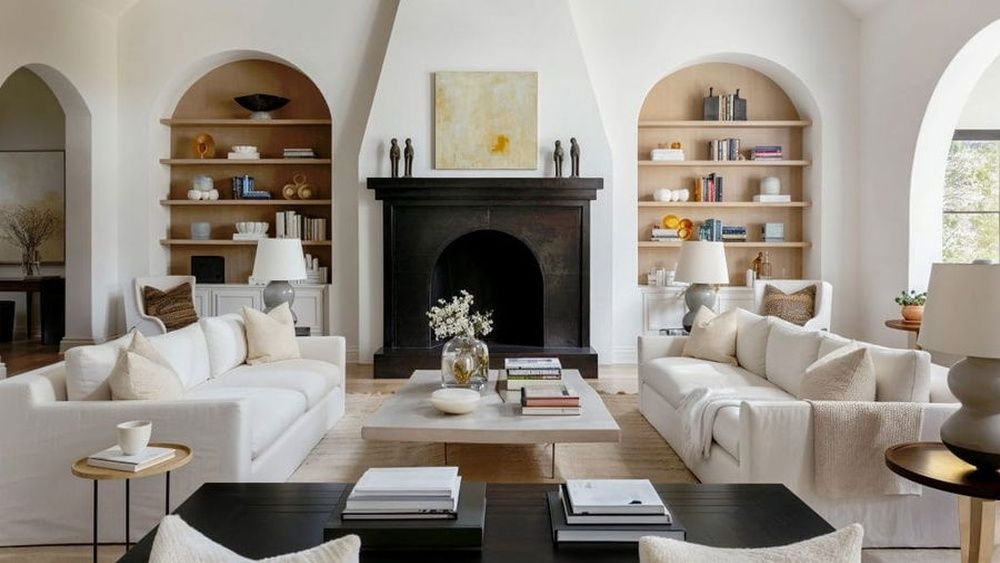
The world of interior design changes quickly, always reflecting how people live, work, and relax. What looked modern a few years ago may now feel old-fashioned. Designers and homeowners are always searching for new ideas to make spaces more beautiful and comfortable.
Today, many trends focus on sustainability, personal expression, and flexible living. But what are the latest trends in interior design, and why are they so popular? Let’s explore the newest ideas, colors, materials, and layouts shaping homes and workplaces right now.
Sustainability isn’t just a buzzword anymore, it’s a must-have for many homeowners and designers. People want spaces that look good and do good for the planet. This shift is visible in several ways.
Eco-friendly materials are leading the way. Reclaimed wood, recycled glass, and bamboo are used more than ever. These materials reduce waste and give rooms a unique character. Furniture brands now highlight their use of renewable resources, attracting buyers who care about their environmental impact.
Energy efficiency is another big focus. More homes use LED lighting, smart thermostats, and solar-powered devices. Windows are designed to let in more natural light and help control temperature. Even paints are changing, with many brands offering low-VOC (volatile organic compounds) options for better indoor air quality.
Pro Tip: If you’re starting a renovation, ask suppliers about product certifications like FSC (Forest Stewardship Council) for wood or Greengard for low-emission finishes.
Biophilic design means creating spaces that connect people with nature. This trend goes beyond just adding a plant or two. It’s about using colors, shapes, and materials that remind us of the outdoors.
Living walls, vertical gardens installed indoors, are becoming more common, especially in offices and city apartments. These green features improve air quality and add a calming atmosphere. In residential design, large windows and glass doors are used to blur the line between indoor and outdoor spaces.
Natural materials like stone, rattan, and linen are also gaining popularity. Their textures and colors make rooms feel more relaxed and organic. In my experience, using real wood or stone, even for small details, instantly makes a space feel warmer and more inviting.
For many years, neutral colors like white, gray, and beige dominated interiors. Now, people are choosing bolder shades to show their personality.
Deep blues, forest greens, and burnt oranges are showing up on walls, furniture, and even kitchen cabinets. These colors make spaces more dynamic and help create a mood. Designers often use them on one “accent wall” or for statement pieces like a velvet sofa.
Custom artwork, unique lighting fixtures, and handmade ceramics are being used to add a personal touch. Homeowners want their spaces to feel truly theirs, not just like a page from a catalog.
Life at home has changed, especially after recent global events. Many people now work, study, and relax in the same place. This has made flexible spaces one of the hottest trends in interior design.
Rooms are now designed for more than one use. For example, a living room might include a small workspace, or a bedroom might have a reading nook. Foldable desks, movable walls, and convertible furniture, like sofas that become beds, help make the most of every square foot.
Open-plan layouts remain popular, but there’s a new twist: people want ways to create privacy when needed. Sliding doors, curtains, and screens are used to divide spaces without building permanent walls.
Here’s a comparison of common flexible furniture options:
| Furniture Type | Main Function | Secondary Use | Best For |
|---|---|---|---|
| Sofa Bed | Sofa | Guest Bed | Small Apartments |
| Folding Desk | Workspace | Storage | Shared Rooms |
| Murphy Bed | Bed | Open Floor Space | Studio Units |
| Modular Shelving | Storage | Room Divider | Open Layouts |
Minimalism is still popular, but it’s becoming less strict and more comfortable. Instead of cold, empty spaces, today’s minimalist interiors use soft textures, warm colors, and cozy lighting.
Layered rugs, plush cushions, and textured throws are used to add comfort. Wood and natural stone are preferred over plastic or metal. The goal is to keep things simple but not sterile, people want their homes to feel inviting.
Example: Instead of a plain white living room, many designers now use cream or light brown walls, with natural wood furniture and a few well-chosen accessories.
Smart technology is changing how we use our spaces. More homes are being designed with technology in mind, making them more comfortable, secure, and energy-efficient.
Voice-controlled assistants (like Amazon Alexa or Google Home) are now standard in many living rooms and kitchens. Smart lighting systems let you change the color and brightness of lights with your phone. Security cameras, thermostats, and even kitchen appliances can all be managed remotely.
One of the latest trends is invisible technology, devices built into walls, ceilings, or furniture so they don’t spoil the look of a room. Wireless chargers hidden in tabletops or speakers built into the ceiling keep spaces looking clean and uncluttered.
Here’s a quick look at some popular smart home features:
| Technology | Main Benefit | Typical Use |
|---|---|---|
| Smart Thermostat | Energy Savings | Climate Control |
| Voice Assistant | Hands-Free Control | Lighting, Music |
| Automated Blinds | Convenience | Windows |
| Wireless Charging | Clutter Reduction | Workspaces |
Pro Tip: When adding smart devices, choose systems that can work together. Compatibility prevents future headaches and makes your home easier to control.
Old styles are making a comeback, but with a modern twist. Mid-century modern furniture, with its clean lines and simple shapes, is very popular. So are pieces from the 1970s and 1980s, like bold patterns or curved sofas.
People love mixing old and new. For example, pairing a vintage wooden table with modern chairs, or using retro light fixtures in a new kitchen. This creates a unique look and often tells a personal story.
Flea markets, antique shops, and online marketplaces are great places to find these special pieces. Many designers also recommend restoring or reupholstering old furniture instead of buying new.
On the opposite side of minimalism, maximalism is gaining fans. This trend is all about bold colors, mixed patterns, and lots of accessories. It’s for people who want their homes to be full of life and personality.
Layered rugs, wallpaper with strong prints, and gallery walls of art are all part of this style. Unlike older forms of maximalism, the modern version is more organized, there’s still a plan behind the chaos.
Designers recommend starting with one area, like a reading nook or a hallway, and building up from there. Mixing textures and colors takes practice, but it can create a space that feels exciting and personal.
Sharp corners and straight lines are giving way to curved furniture and soft edges. Sofas, chairs, and even kitchen islands are now designed with rounded shapes. This makes rooms feel friendlier and more relaxed.
Arched doorways, circular mirrors, and oval coffee tables are common details. These shapes can help soften a room that feels too harsh or boxy. They also fit well with both minimalist and maximalist designs.
Pro Tip: Use curved elements to balance out hard materials like stone or metal, especially in kitchens and bathrooms.
Flat, plain walls are being replaced by textured surfaces. This trend adds depth and interest, even in small rooms. There are many ways to bring texture into a space:
Ceilings are getting attention, too. Painted ceilings, wooden beams, or even decorative tiles can turn the “fifth wall” into a feature.
Here’s a quick comparison of popular wall texture techniques:
| Technique | Look/Feel | Best For |
|---|---|---|
| Wood Paneling | Warm, Natural | Living Rooms |
| Venetian Plaster | Elegant, Subtle Shine | Bedrooms, Entrances |
| Textured Wallpaper | Patterned, Bold | Accent Walls |
| Cork Tiles | Soft, Sound-Absorbing | Offices, Bedrooms |
Lighting is no longer just practical, it’s a key design feature. Statement lights like sculptural chandeliers, oversized pendants, and artistic wall sconces are now used as focal points.
Layered lighting is important. Instead of one bright ceiling light, designers use a mix of task, accent, and ambient lights. This adds depth and lets you change the mood easily.
LED strips hidden under cabinets, in coves, or along baseboards are also popular. They create a soft glow and make rooms feel larger.
There’s a growing appreciation for handcrafted items and products made by local artisans. These pieces often have more character and a story behind them. Homeowners are choosing handwoven rugs, pottery, and custom woodwork over mass-produced decor.
Buying local helps support small businesses and reduces shipping emissions. It also ensures your home has unique touches that can’t be found anywhere else. Many designers now collaborate with local makers for custom furniture or art.
Balconies, patios, and gardens are no longer just for plants. People now use these spaces as true extensions of their homes. Comfortable outdoor furniture, weatherproof rugs, and even outdoor kitchens are in demand.
Designers are paying attention to lighting and shelter, so these areas can be used day and night, rain or shine. Retractable awnings, pergolas, and fire pits make it possible to enjoy the outdoors in almost any season.
Example: Some city apartments now include “winter gardens,” which are glassed-in balconies used as offices or relaxation areas.
Travel and cultural exchange inspire many new trends. Japanese minimalism, Scandinavian hygge, and Moroccan patterns are blended to create fresh looks. This fusion lets people express their interests and heritage.
Mixing styles from different countries can be tricky, but it leads to unique results. A Moroccan rug might be paired with Danish furniture, or African baskets might hang on a modern wall. The key is to keep a unifying color palette or theme.
Pro Tip: When mixing global styles, focus on quality over quantity. A few standout pieces make more impact than many small trinkets.
:max_bytes(150000):strip_icc()/Image3-deda0da6f5a141f6b712c575b4d1e3f9.jpg)
Credit: www.marthastewart.com
People are paying more attention to health and wellness in their homes. This means choosing non-toxic materials, improving air quality, and creating spaces for relaxation.
Home gyms, meditation corners, and spa-like bathrooms are growing in popularity. Designers use calming colors, soft lighting, and natural scents to make these spaces feel peaceful.
Plants are also important. Besides looking nice, many types of houseplants help filter indoor air and add humidity. Even small apartments can include a few pots on windowsills or shelves.
Clutter can make even a beautiful room feel chaotic. That’s why clever storage solutions are a top trend. Built-in cabinets, hidden drawers, and multi-purpose furniture help keep spaces tidy.
In kitchens, pull-out pantries and deep drawers make it easier to organize pots and ingredients. Bedrooms use under-bed storage and custom closets. Living rooms might have benches or ottomans that open for extra space.
Pro Tip: Plan storage at the start of a project, not as an afterthought. This ensures every item has a place, which makes daily life smoother.
Remote work is here to stay for many people. This has made home office design one of the most important trends. Instead of working at the kitchen table, people now want dedicated, comfortable workspaces.
Ergonomic chairs, good lighting, and soundproofing are essential. Some designers add video-friendly backgrounds for online meetings, such as feature walls or shelving with plants.
Example: In my experience, even a small corner can be turned into a productive workspace with the right desk and a few thoughtful touches.
Switching out throw pillows, adding a new rug, or changing light fixtures can give a room a fresh look. Removable wallpaper or peel-and-stick tiles are great for renters or those on a budget. Even rearranging furniture can make a big difference.
Pick one main trend as your base, like minimalism or maximalism. Then add smaller touches from other trends, such as a vintage lamp in a modern room. Keeping a consistent color palette helps everything feel connected.
Yes. Multi-use furniture, wall-mounted storage, and fold-away desks are perfect for small spaces. Light colors and mirrors make rooms feel larger, while sliding doors save space.
Use materials like bamboo, cork, or recycled glass. Choose energy-efficient appliances and LED lighting. Adding more plants and using low-VOC paints also helps

Sarwar Hossain is an interior design professional with 15+ years of experience and the founder of Unique Interior BD, which has completed 350+ interior and fit-out projects across Bangladesh since 2015. He is the Vice President of the Bangladesh Interior Companies Association, a General Member of the Entrepreneurs Club, and winner of the South Asian Business Excellence Awards 2025.