Office Address
Siddique Tower (Level-2), House 45, Road-1, Block-A, Niketan, Dhaka-1212
Office Address
Siddique Tower (Level-2), House 45, Road-1, Block-A, Niketan, Dhaka-1212
Hotel Interior Design in Bangladesh: A Business Investment, Not Just Decoration
Bangladesh’s hotel industry is changing fast. Most hotels here are mid-range or budget business hotels, not luxury palaces. Yet, when you look for advice on hotel interior design in Bangladesh, almost every guide talks about marble lobbies, infinity pools, and gold leaf. This content ignores the reality: owners need interior design that delivers real returns, not just pretty photos.
The truth is, hotel interior design is a business tool. It increases average daily rate (ADR), keeps guests coming back, and makes staff more efficient. Well-planned interiors also reduce maintenance costs, which adds up over time. For mid-market and business hotels, design is not about impressing influencers—it’s about ROI.
Let’s explore how hotel interior design in Bangladesh can grow your revenue and make your operations smoother, even on a realistic budget.
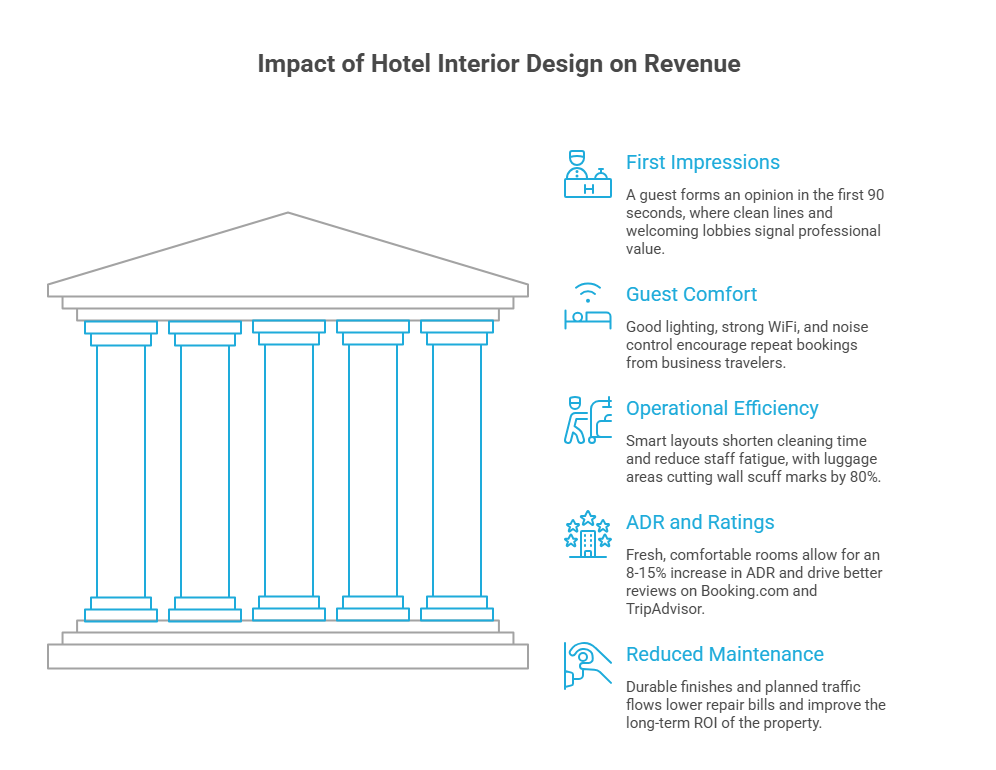
Every hotelier cares about occupancy and rate. But your interior design shapes both, often more than location or branding. Here’s why:
A guest forms an opinion in the first 90 seconds. Clean lines, a welcoming lobby, and smart zoning instantly say “professional. ” Dated or confusing layouts signal neglect, which lowers perceived value. Even the scent of your lobby can influence guest emotions, showing that sensory design matters.
Business travelers in Bangladesh return to hotels where they sleep well and work easily. Good lighting, strong WiFi zones, and noise control create comfort. These guests don’t need gold taps—they want reliability. Even simple touches, like a dedicated work desk or a comfortable chair, can encourage guests to book again.
Smart design shortens cleaning time, prevents accidents, and reduces wear. For example, a well-placed luggage area in the lobby can cut scuff marks on walls by 80%. In small hotels, every saved minute means more rooms cleaned and lower labor costs.
Efficient layouts also help staff avoid unnecessary walking, which reduces fatigue and mistakes.
A fresh, comfortable room lets you add 8-15% to your ADR, even in mid-market segments. Well-designed spaces also earn better reviews on platforms like Booking. com and TripAdvisor. Happy guests are more likely to mention positive design features in their reviews, attracting more direct bookings.
Durable finishes and planned traffic flows lower repair bills. A cheap lobby sofa may save money upfront but may need replacing within a year. ROI-focused design looks at the full life cycle. Using high-quality finishes in high-touch areas, such as door handles and elevator panels, also reduces frequent replacements.
Non-obvious insight: In Bangladesh, many mid-range hotels lose money on room repairs, not guest rates. Choosing the right floor finish or wall paneling can save thousands over five years. Another hidden factor is poor bathroom ventilation, which can lead to mold and higher renovation costs.
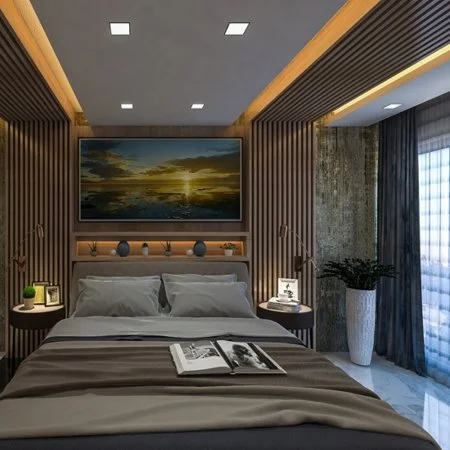
Every hotel category has unique needs. Here’s how interior design priorities shift for budget/business, boutique, and resort hotels in Bangladesh.
Most hotels in Bangladesh fall into this category. These hotels are not competing on luxury—they compete on reliability, cleanliness, and efficiency.
Case Example:
A 60-room business hotel in Chattogram saw its guest complaints drop by 22% after adding acoustic panels and better lighting. Staff also reported fewer cleaning accidents due to slip-resistant floors.
ROI Insight:
A 4% investment in guest room upgrades (fabrics, lights, paint) led to a 10% increase in positive reviews and allowed a 12% higher ADR. These upgrades paid for themselves in under 18 months.
Boutique hotels are smaller but focus on experience and uniqueness. In Bangladesh, these are often in cities like Dhaka, Sylhet, or Cox’s Bazar.
Example:
A boutique hotel in Gulshan used reclaimed bamboo for wall features, cutting costs by 30% versus imported panels. Guests mentioned the “Bangladeshi vibe” in 40% of reviews, improving marketing value.
Non-obvious insight:
Boutique hotels often overlook back-of-house flow. A small laundry area, if designed well, prevents delays and damage to linens, protecting your investment. Also, creating staff “service zones” close to guest areas can speed up response times for room requests.
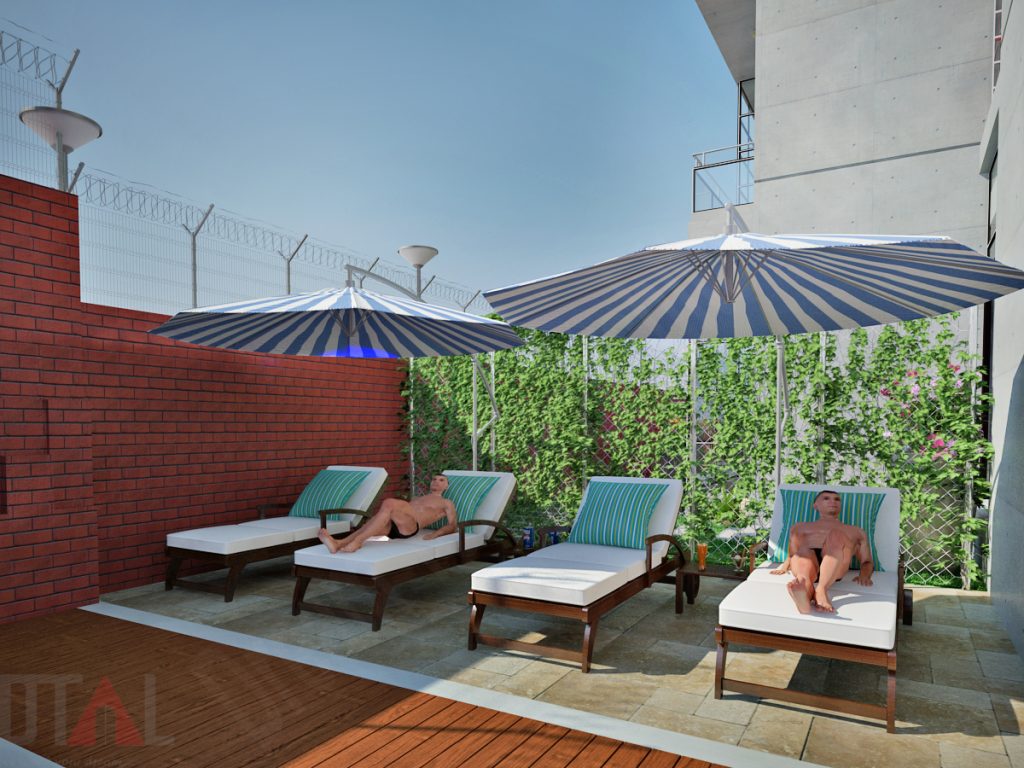
Resorts in Bangladesh (like in Cox’s Bazar or the Sundarbans) need interiors that handle sand, humidity, and heavy family traffic.
Case Example:
A resort near Cox’s Bazar switched to anti-corrosion fixtures and marine-grade paint. Maintenance costs dropped 18% in two years.
ROI tip:
Using local stone or brick outdoors lasts longer and costs less than imported tiles in humid climates. Well-designed outdoor shower areas also keep guest rooms cleaner and reduce housekeeping labor.
Not every area in a hotel delivers the same ROI from design investment. Focus on these zones for the biggest impact.
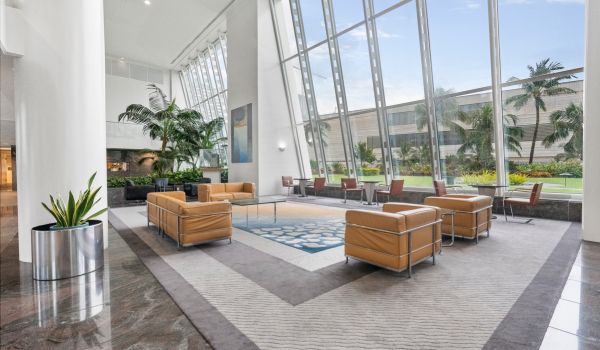
The lobby is your hotel’s handshake. In Bangladesh’s busy cities, guests want quick check-in and a sense of safety. For mid-range hotels, over-investing in marble is a mistake. Instead, focus on:
Practical tip:
Place power outlets near seating so business travelers can charge phones while waiting. Adding a small refreshment station (water, tea) improves comfort at low cost.
Non-obvious insight:
In Bangladesh, lobby air quality suffers from nearby traffic. Use air-purifying plants or mechanical ventilation to improve guest comfort (and reviews). Adding a vestibule or double-door entry can also reduce dust and noise from outside.
Guest rooms are where your ADR is won or lost. Focus design investment here, even for modest hotels.
Example:
A business hotel in Motijheel replaced white linens with patterned sheets. This reduced visible stains and laundry costs by 15%. Adding a built-in luggage rack also cut wall damage.
Key Guest Room Features for Mid-Range Hotels
| Feature | Why It Matters | ROI Impact |
|---|---|---|
| Blackout Curtains | Better sleep for guests | Higher repeat rates |
| USB Outlets | Business travelers’ need | Improved reviews |
| Durable Flooring | Withstands heavy use | Lower repairs |
| Noise Control | Reduces complaints | Fewer refunds |
Non-obvious insight:
Simple design choices, like placing the bed away from the shared wall, can cut noise complaints by 20% in budget hotels. Also, a slightly raised bathroom threshold can prevent water from leaking into the sleeping area.
Owners often ignore the back-of-house areas. But design here directly affects labor costs and guest experience.
Back-of-House Design Features
| Feature | Benefit | Cost Saving |
|---|---|---|
| Non-slip floors | Fewer staff injuries | Lower insurance premiums |
| Clear signage | Reduces errors | Less wasted time |
| Efficient laundry flow | Faster room turnover | More rooms cleaned/day |
Practical tip:
Instruct your designer to walk the back-of-house routes during planning. Many errors are only visible “on the ground. ” Also, regular staff feedback during design stages can reveal small but impactful changes.
Bangladesh’s climate and usage patterns are tough on materials. Humidity, dust, and heavy foot traffic wear out cheap finishes fast. Investing in the right materials pays off quickly.
Key Materials for Hotel Interiors:
Material Comparison for Durability
| Material | Best Use | Lifespan (Years) | Maintenance Level |
|---|---|---|---|
| Porcelain Tile | Lobbies, hallways | 20+ | Low |
| High-Grade Vinyl | Guest rooms | 12-15 | Medium |
| Laminate Panel | Walls, doors | 8-10 | Low |
| Stain-resistant Fabric | Seating | 5-7 | Medium |
Non-obvious insight:
Inexpensive materials often cost more in the long run. Many Dhaka hotels repaint every 12 months due to humidity damage—using the right paint could stretch this to 3 years. Proper caulking and grouting in wet areas also prevents water damage and expensive repairs.
For deeper guidance on materials, see our full Materials Guide.

Credit: amusementlogic.com
Focus on guest rooms and the lobby first. These zones drive guest satisfaction and direct revenue. Well-designed rooms lead to higher ADR and repeat bookings, while a clear, comfortable lobby improves first impressions and reviews. Do not neglect bathrooms, as poor bathroom quality can ruin an otherwise positive stay.
Use smart, durable finishes and focus on guest comfort. Features like blackout curtains, noise control, and ergonomic furniture let you charge 8-15% more per room. Positive online reviews from these upgrades support higher rates. Also, small investments in tech, such as smart TVs or keyless entry, can set your hotel apart.
Many hotels copy luxury trends that don’t fit their budget or market. Common errors include using delicate materials in high-traffic zones, poor lighting, and ignoring back-of-house efficiency. These choices increase costs and hurt guest experience. Overcrowding rooms with too much furniture is another frequent mistake.
Plan a light refresh every 3–5 years for high-traffic zones. Major renovations (like flooring or bathrooms) can last 8–12 years if you choose durable materials. Regular maintenance and spot updates can extend the lifespan of your interiors. Schedule inspections before peak seasons to avoid sudden breakdowns.
Hotel interior design in Bangladesh is not just about style—it’s a business decision. Smart design increases revenue, reduces costs, and keeps guests coming back. For mid-range and business hotels, focus on comfort, durability, and efficiency. Avoid the luxury-only trap; invest where it counts for your market.
If you’re ready to improve your hotel’s performance with interior design tailored to Bangladesh’s real needs, Unique Interior & Design can help. Our experience covers everything from efficient business hotels to unique boutique spaces. Contact us to start building interiors that deliver results—not just decoration.

Sarwar Hossain is an interior design professional with 15+ years of experience and the founder of Unique Interior BD, which has completed 350+ interior and fit-out projects across Bangladesh since 2015. He is the Vice President of the Bangladesh Interior Companies Association, a General Member of the Entrepreneurs Club, and winner of the South Asian Business Excellence Awards 2025.