Office Address
Siddique Tower (Level-2), House 45, Road-1, Block-A, Niketan, Dhaka-1212
Office Address
Siddique Tower (Level-2), House 45, Road-1, Block-A, Niketan, Dhaka-1212
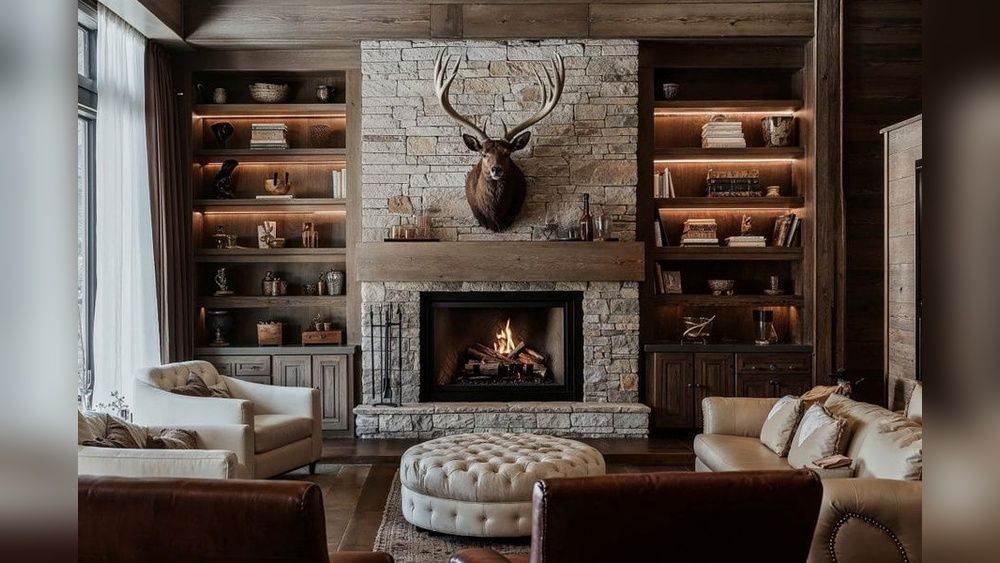
Rustic Interior Design Style Bangladesh: Honest Insights for Real Dhaka Homes
If you love the look of rustic interior design style Bangladesh, you’re not alone. Natural materials, earthy colors, and local crafts feel warm and timeless. But in Dhaka’s climate, rustic style isn’t just a trend—it’s a set of choices with real benefits and real costs. The truth: untreated wood, cane, and jute look beautiful but need more care here than in drier countries. Our humidity encourages mold on rough surfaces, and open textures collect dust quickly. If you want a rustic home, you’ll need to balance nature’s beauty with regular upkeep.
Rustic style brings a sense of calm and old-world comfort, but it’s not always as easy as it looks on social media. Many people see beautiful photos online and imagine their home will look the same. In reality, your everyday life in Dhaka—cooking, cleaning, city dust—means you need to plan for both style and maintenance.
You’re not just decorating; you’re creating a space that feels lived-in, personal, and practical.
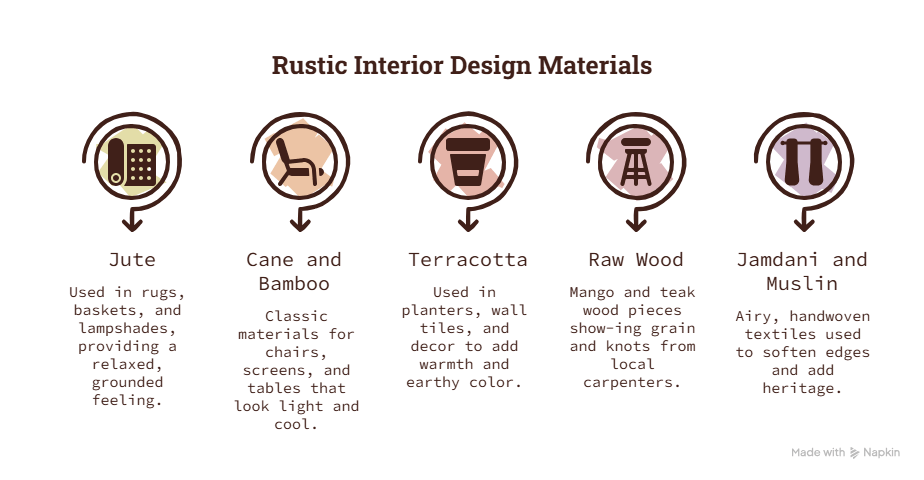
Rustic design means different things in different places. In Bangladesh, it’s more than a Pinterest board. It’s the feel of jute rugs under your feet, sunlight on a cane chair, and the weight of a handwoven Jamdani throw. Let’s break down what makes rustic design local, not just imported.
These materials are not only beautiful—they support local artisans and small businesses. Buying from traditional makers means your home tells a story beyond simple decoration. But their charm comes with a price: they react to our weather.
Rustic interiors here avoid bright colors. You’ll see lots of mud browns, deep greens, off-whites, and the natural color of wood or jute. Metal fixtures are usually dark bronze or black, never shiny. Walls often have a matte finish, sometimes with a lime wash or clay-based paint. Floors might be brick, unpolished tile, or simple cement.
Simple finishes are part of the appeal—nothing too perfect or polished. Lime-washed walls hide fingerprints better than glossy paint, and unpolished tiles don’t show scratches as much. You might see hand-painted clay pots or simple block prints on cushions, adding subtle interest.
Rustic means you don’t cover up knots in the wood or uneven dye in the fabric. Small flaws are part of the story. The idea is comfort, not luxury.
Don’t worry if your rustic table gets a scratch or your cane chair shows a bit of age. These signs of use add to the charm. In fact, rustic style encourages you to mix old and new—maybe a new jute rug with your grandmother’s wooden trunk.
Most blogs show perfect rustic rooms, but few mention what happens after a month in Dhaka’s climate. Here’s what you need to know before you invest.
Our air stays above 70% humidity most of the year. Untreated wood, cane, and bamboo absorb moisture. This can lead to:
Humidity can also make fabrics smell stale if they’re not washed or aired out regularly. This is why textiles in rustic homes need special care.
Dhaka is dusty. Open-weave jute, cane, and textured fabrics trap fine dust. Surfaces that look charming in magazines will need more cleaning here:
Don’t forget, kitchen and street dust can travel far in city apartments. Even high shelves and wall hangings need attention.
There’s no way around it: rustic style here means more cleaning and occasional repairs. You’ll need to:
Many people hire help for daily cleaning, but if you don’t, rustic design will test your patience. Even with help, you’ll need to check for mold or loose fittings from time to time.
One extra tip: keep a small maintenance kit—wood oil, soft cloths, and gentle cleaners—handy. Quick fixes keep your rustic home looking fresh.
Here’s how popular rustic materials handle our weather:
| Material | Humidity Resistance | Dust Collection | Maintenance Needs |
|---|---|---|---|
| Jute | Poor | High | Shake/wash weekly, sun-dry |
| Cane/Bamboo | Fair | Medium | Wipe often, avoid soaking |
| Raw Wood | Poor if untreated | Low-Medium | Seal or oil, check for mold |
| Terracotta | Good | Low | Wipe, check for cracks |
| Jamdani/Muslin | Fair | High | Launder, sun-dry |
Not every room benefits equally from rustic style. Some spaces handle the humidity and dust better, and some are easier to maintain. Here’s a practical guide for the main living areas.
The living room is the heart of most Dhaka homes. It’s where you welcome guests, relax with family, and display your style. Rustic works here because:
But remember:
A smart tip: Choose removable, washable covers for cushions and throws. Dust and humidity are less of a problem if you can refresh fabrics often.
Another idea: Add indoor plants in terracotta pots. They brighten up rustic spaces and help filter air, but make sure pots don’t sit directly on wooden surfaces—moisture can damage the wood.
Rustic style can make the dining room warm and inviting. A wooden table, cane chairs, and terracotta planters create a relaxed mood. But food spills and high humidity can be a challenge. For more tips, see our post on rustic dining rooms.
Rustic is best in dining rooms with good airflow. If your dining space is near the kitchen, watch out for oil and smoke settling on rough surfaces.
For extra protection, consider glass tops for wooden tables or choose darker finishes that hide stains better.
The bedroom should feel restful. Rustic style works here if you keep things simple:
Don’t use too many dust-prone items. Skip jute wall hangings or textured throws if you have allergies. Place cane baskets for storage, but line them so clothes stay clean.
You can also add rustic bedside lamps with woven shades for soft, cozy lighting. Avoid cluttering surfaces to make cleaning easier.
| Room | Best Rustic Elements | What to Avoid |
|---|---|---|
| Living Room | Sealed wood, cane chairs, jute rug (small) | Large jute carpets, untreated wood surfaces |
| Dining Room | Wooden table, terracotta decor | Jute under table, open-weave runners |
| Bedroom | Muslin curtains, cane storage baskets | Jute wall hangings, thick woven throws |
You can have the best of both worlds. Rustic style doesn’t have to mean endless cleaning or moldy smells. Here’s how to stay practical in Dhaka:
Don’t use completely untreated wood, even if it looks more “authentic. ” A clear, matte sealant keeps out humidity and stains without making wood look shiny. For cane or bamboo, use a light coat of lacquer or furniture oil—just enough to protect, not to gloss.
If you’re buying new furniture, ask for sealed finishes. For older pieces, you can apply oil or wax yourself every few months. This is especially important in the rainy season.
Use the most rustic materials in places you see, but don’t touch every day. Wall art, planters, and lamp bases can be raw jute or wood. For furniture, pick items with smooth, sealed surfaces.
For example, use a rustic jute basket for magazines, but not for storing clothes. Place cane screens where airflow is good, but not in damp corners.
Muslin and Jamdani add a soft, local touch. But in our climate, they need sun and air. Keep two sets, so you can wash and dry them regularly. This simple habit stops mildew before it starts.
If you have a balcony or rooftop, use it to air out textiles. When buying, look for “pre-shrunk” or colorfast versions—these last longer with frequent washing.
Jute looks great, but needs care. Use small jute mats you can carry to the veranda and shake out. For larger areas, choose flat-woven cotton rugs—they’re easier to clean and dry quickly after washing.
If you must have a large rug, pick one with a dense weave, not open texture. Always use a rug pad to reduce slipping and allow air to circulate underneath.
Rustic style is about comfort. A few water stains or scratches add character, but don’t let maintenance pile up. If you can’t clean often, use rustic touches as accents, not the main theme.
Start with small changes—add a cane side table or terracotta planter. Over time, see what works for your lifestyle before investing in bigger pieces.
What if you want the look but not the work? Try these swaps:
| Classic Rustic Item | Dhaka-Friendly Alternative | Why It Works |
|---|---|---|
| Large jute rug | Flat-woven cotton rug | Easier to wash, dries fast |
| Raw wood table | Sealed teak or mango wood | Resists mold and stains |
| Open-weave cane chair | Smooth, lacquered bamboo chair | Less dust, easier to wipe |
| Jute wall hanging | Muslin fabric art | Lighter, can be washed |
Another detail: If you have air conditioning, use the “dry” mode sometimes—it helps control humidity and protects your rustic pieces.

Credit: www.decorilla.com
Rustic interior design style Bangladesh means using local, natural materials—like jute, cane, raw wood, and handwoven textiles—in simple, earthy ways. It creates a warm, relaxed look rooted in village tradition but adapted for city life. The style often uses handmade crafts, imperfect finishes, and lots of natural light.
It can work, but with care. Rustic materials are more vulnerable to humidity and dust. Sealing wood, choosing washable textiles, and cleaning often are key. If you want rustic style with less hassle, use sealed surfaces and smooth weaves.
You also need to adapt—sometimes that means rotating textiles, using more plants, or choosing smaller rugs. Rustic design is flexible; it’s about finding what works in your home.
It doesn’t have to be. Local materials like jute and cane are affordable, and you support Bangladeshi artisans. But high-quality, sealed wood or custom furniture costs more. Budget for regular maintenance too.
If you’re on a budget, start with accessories and small pieces. Over time, you can add larger items as you learn what’s practical for your space.
For stubborn dirt, use a soft brush on rough surfaces. Always check for signs of mold, especially during rainy season.
If you love the cozy feel of rustic interior design style Bangladesh, it’s possible to enjoy it—even in Dhaka’s tough climate. Just remember: the most beautiful homes balance style with real-life care. Seal what you can, clean what you must, and choose local materials that tell your story. For help designing a rustic space that fits your life, reach out to Unique Interior & Design. We know how to blend natural beauty with smart, long-lasting choices.
For more on rustic dining spaces, visit our Dining Room Design Guide.
Rustic isn’t just a look. It’s a lifestyle—and it works best when you know what to expect.

Sarwar Hossain is an interior design professional with 15+ years of experience and the founder of Unique Interior BD, which has completed 350+ interior and fit-out projects across Bangladesh since 2015. He is the Vice President of the Bangladesh Interior Companies Association, a General Member of the Entrepreneurs Club, and winner of the South Asian Business Excellence Awards 2025.