Office Address
Siddique Tower (Level-2), House 45, Road-1, Block-A, Niketan, Dhaka-1212
Office Address
Siddique Tower (Level-2), House 45, Road-1, Block-A, Niketan, Dhaka-1212
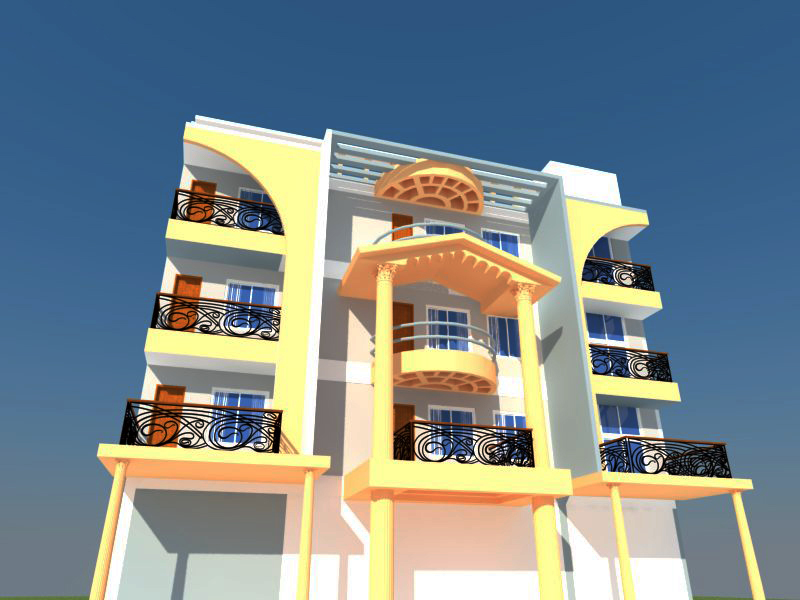
Designing a village house in Bangladesh starts with a simple question: Will your home survive the local climate and land risks? Beautiful style matters, but smart village house design always puts safety and comfort first. Bangladesh sees heavy rains, floods, and cyclones. The right design protects your family and property, not just your sense of style.
Many designers focus on bamboo fences or jali work. But for rural Bangladesh, these are details — not the foundation. The real first step is understanding your plot’s risks:
Once you know these answers, you can choose the right house type and materials. Your village home’s long-term comfort, cost, and even beauty depend on getting this step right.
Here’s a look at the three main types of village houses you’ll see in Bangladesh. Each has its own strengths for different land and climate situations.
A raised plinth house sits on a platform above ground level. This is a classic solution for areas with regular flooding or high water tables.
Why use a raised plinth?
How high should the plinth be?
Materials for the plinth:
Tips for durability:
Drawback: Raised plinths add cost and may need ramps for elderly or disabled family members.
Brick and cement village houses are very popular now. They last longer and handle floods better than mud or bamboo huts.
Why choose brick and cement?
Best practices:
Tradeoff: Brick and cement homes cost more than mud or bamboo. They can get hotter in summer unless you plan for ventilation and shade.
Example: In the flood-prone Faridpur district, many families now use brick walls and cement roofs with a 3-foot raised plinth. Their homes stay dry even when neighbors’ courtyards flood.
Clay or mud houses are the most traditional. They stay cool in summer and use local materials. But they need careful design in flood-risk zones.
Strengths:
Risks:
How to make mud houses safer:
Non-obvious tip: Many families use a hybrid approach — mud walls for main rooms, but brick for the plinth and kitchen. This controls costs but gives better flood protection.
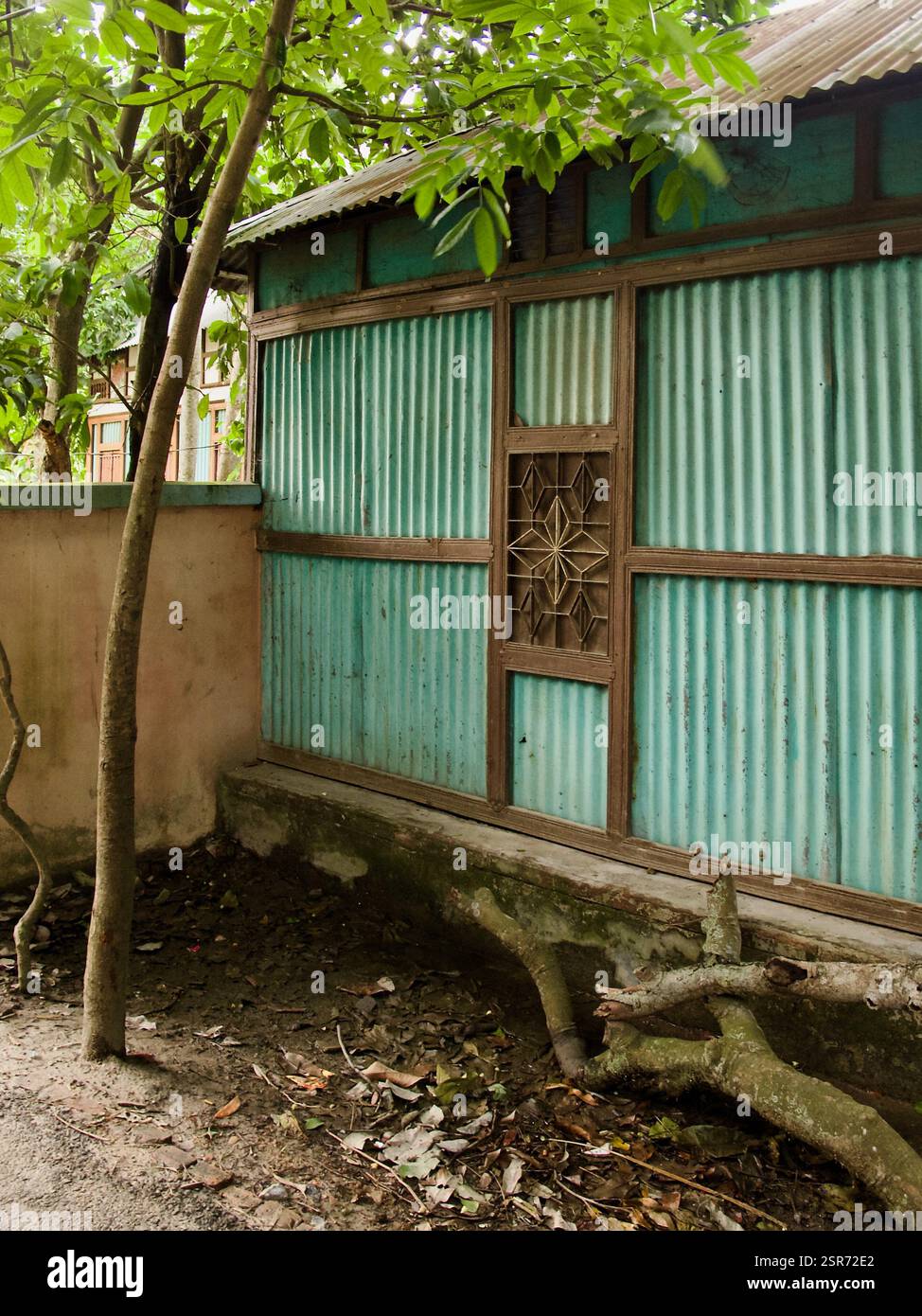
Credit: www.alamy.com
Here’s how the main types stack up for key risks and comfort:
| House Type | Flood Resistance | Thermal Comfort | Maintenance Need |
|---|---|---|---|
| Raised Plinth (Brick/Cement) | High | Good (if shaded) | Low |
| Brick/Cement (No Plinth) | Medium | OK | Low |
| Clay/Mud | Low-Medium | Excellent | High |
Village house design in Bangladesh is not just about safety. It’s also about beauty, family needs, and modern comfort. Here’s how smart designs mix old and new.
Bamboo fencing, jali (lattice) windows, and mud plasters are still loved for their look and practical benefits.
Many families now add:
Non-obvious insight: Even a small veranda with raised plinth and wide eaves can create a cool, shaded living area. This lets you enjoy outdoor air with less heat and dust.
A true village home is more than four walls. How you use your land matters just as much.
Most Bangladeshi homes use a courtyard. This open space is for:
Benefits:
Design tip: Keep the courtyard slightly higher than the garden, so water drains out.
Growing food is part of rural life.
Where to plant: South or west sides get the most sun. Avoid blocking main breeze paths.
If you have space, a small fish pond or livestock shed adds income and food.
Non-obvious insight: A gentle slope (1:100) from the house to the garden keeps courtyards dry even in heavy rain.
How you arrange your home, garden, and other spaces changes how you live. Here’s a simple comparison:
| Layout Style | Pros | Cons |
|---|---|---|
| Central Courtyard | Great airflow, safe family space | Needs larger plot |
| Linear (House + Garden in a row) | Efficient for narrow plots | Less privacy, less shade |
| Clustered (House + Sheds + Pond together) | Easy access, compact | More noise, less open space |
Building a village house in Bangladesh is always a balance of cost, comfort, and safety. You want lasting value — not just low upfront cost.
Key tips:
For more details on costs and material choices, see our Home Design Bangladesh guide.
Caution: Be careful with online cost calculators or “cheap house” tips. Many skip long-term maintenance or flood repairs. Always check local prices and skilled labor availability.
In a recent project in Munshiganj, a family wanted a village home that blended tradition with safety. Their land flooded each monsoon. Here’s how Unique Interior & Design approached the project:
Result: The home stayed dry during the next floods. Indoor temperatures were 3–5°C cooler than neighbors’ cement-only houses. Maintenance costs dropped, and the home blended modern comfort with classic village style.
A raised plinth house with brick or cement walls is best for flood zones. The high platform keeps floors dry. Water-resistant materials like brick, cement mortar, and plaster reduce damage and repairs.
Always build mud houses on a raised plinth. Use wide roof overhangs to keep rain off walls. Mixing straw, lime, or cement into mud adds strength. Consider brick or cement for kitchens and bathrooms, which face more water exposure.
Brick, cement, and reinforced concrete last the longest if built well. Bamboo and mud are cheaper but need more repairs, especially after floods. Using damp-proof courses and good roof designs helps any material last longer.
Start with a central courtyard for airflow and family space. Place gardens and ponds where they get sun but don’t block breezes. Make sure all buildings sit higher than the lowest parts of the land for drainage. Use shade trees and wide verandas to keep rooms cool.
For up-to-date advice, visit our Duplex, Flat, or Village Home? article. It explains what affects costs and how to avoid common mistakes.
At Unique Interior & Design, we believe a safe, beautiful village house starts with smart design — not just style. Our team can help you blend tradition, comfort, and flood protection for your family’s future. Ready to build your dream village home? Reach out today for a free site review and expert advice tailored to your land.

Sarwar Hossain is an interior design professional with 15+ years of experience and the founder of Unique Interior BD, which has completed 350+ interior and fit-out projects across Bangladesh since 2015. He is the Vice President of the Bangladesh Interior Companies Association, a General Member of the Entrepreneurs Club, and winner of the South Asian Business Excellence Awards 2025.