Office Address
Siddique Tower (Level-2), House 45, Road-1, Block-A, Niketan, Dhaka-1212
Office Address
Siddique Tower (Level-2), House 45, Road-1, Block-A, Niketan, Dhaka-1212
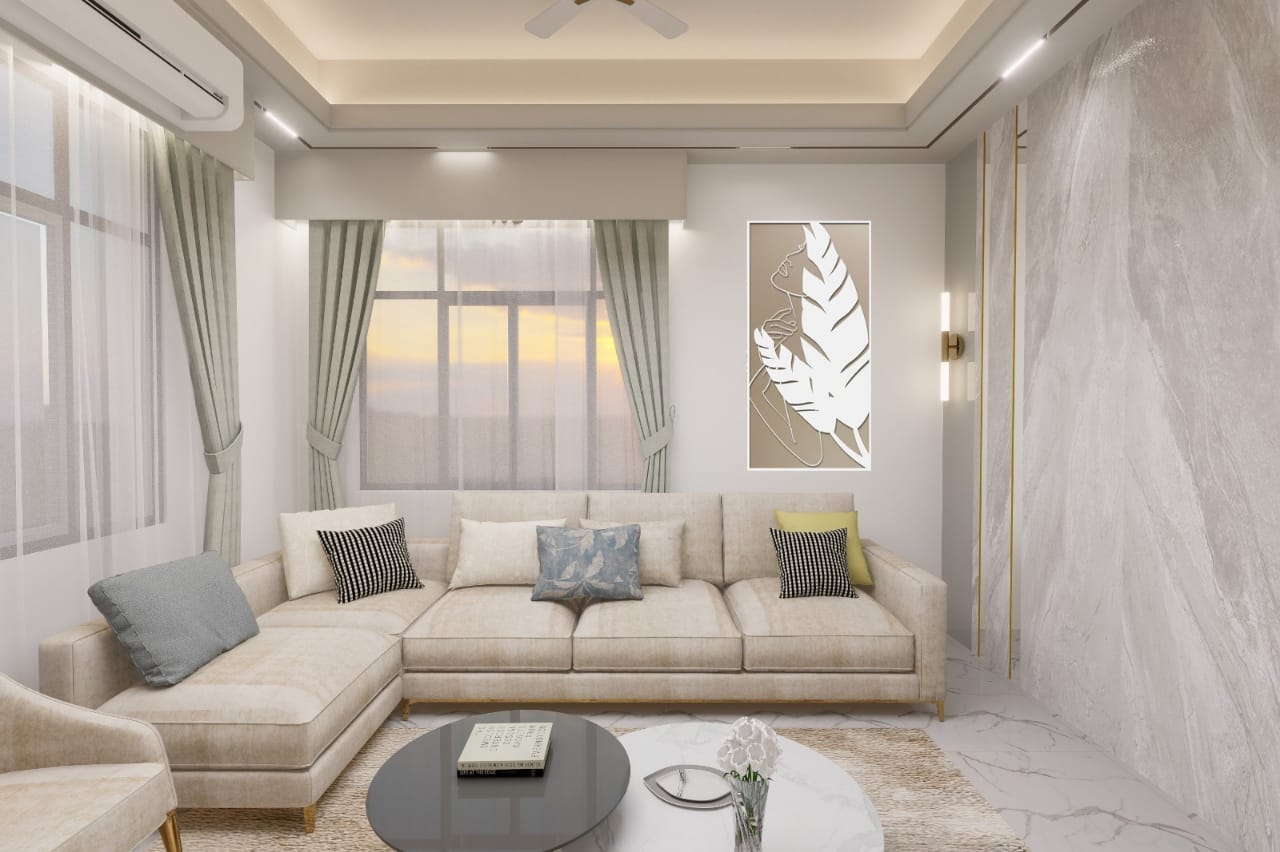
Interior design is much more than picking colors or arranging furniture. It shapes how we live, work, and feel in our spaces. In Bangladesh, where homes and offices are often unique in size, style, and culture, interior design becomes even more important. People often ask: Where do I begin? How do I balance style, function, and budget? What makes a good design for a Bangladeshi home or business?
This guide gives you clear answers to these questions. Instead of stuffing everything into one page, we show you where to find real, expert details on every topic—using our deep library of specialized articles. With a focus on practical advice, local context, and trusted resources, you’ll get a full roadmap for your next project, whether it’s a new house, a small apartment, or a modern office.
The first step in any project is understanding your needs and limits. What is your goal? Is it comfort, style, resale value, or something else? In Bangladesh, planning matters because small mistakes can become big costs later.
Every design project—big or small—needs a budget. Materials, labor, furniture, and even small details add up quickly. But prices change fast, and quoting a number here can be misleading.
Your style is personal. Do you like classic or modern? Minimal or luxurious? Look at pictures, visit showrooms, and collect ideas. Remember: not every style fits every space or budget.
Think about how you use your space. In Bangladesh, living rooms often host guests, while kitchens double as family hubs. Good design means making sure each space works well for your lifestyle.
Some buildings in Dhaka and other cities have special rules—like fire safety or RAJUK approvals. Always check with your builder or designer before making changes. For legal tips, see our FAQ below.
Non-obvious insight: Many people only focus on looks, but the right design can save money by lowering energy bills (with natural light and airflow), or by choosing materials that last in our climate.
Every room has a unique role. A beautiful living room may not make sense if your kitchen is cramped or your bedroom isn’t restful. Here’s how to approach design, one space at a time. For full details, click through to our deep-dive articles for each room.
A bedroom should be calm and private. Storage matters—think about built-in wardrobes or under-bed drawers. Lighting is key; you need both bright lights and softer, relaxing options. For color, light shades make small rooms look bigger.
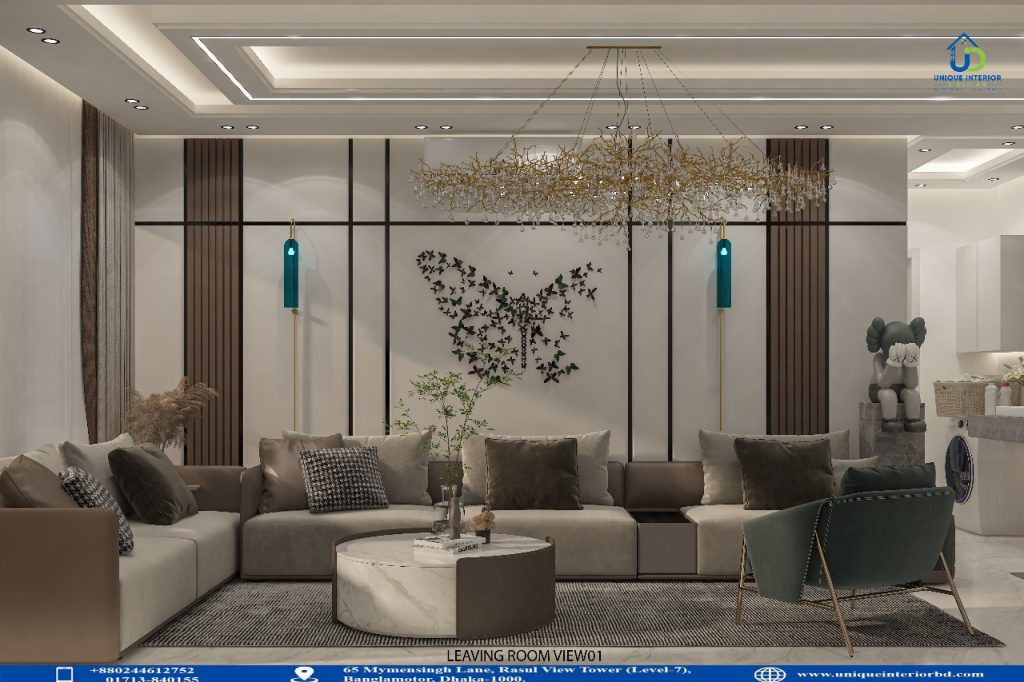
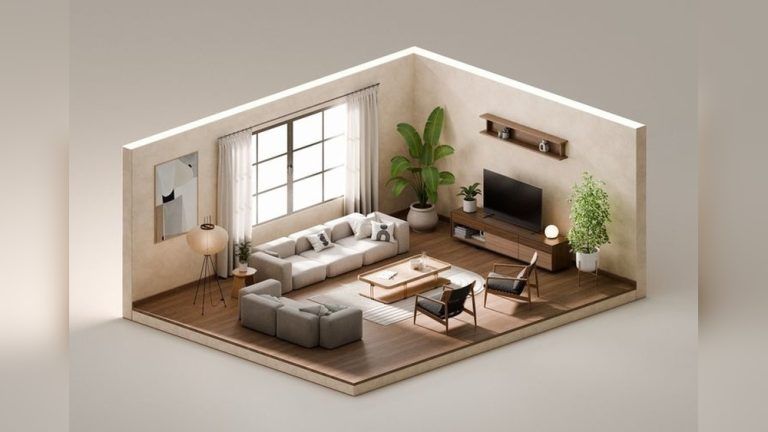
This is the heart of many Bangladeshi homes. A good layout allows for both family time and guest seating. Consider the flow: leave enough space to move, and avoid blocking windows. Use rugs, cushions, or art to add local flair.
In our climate, kitchens get hot. Choose materials that resist moisture and are easy to clean. Storage is often a challenge—modular cabinets help. Good ventilation is a must.
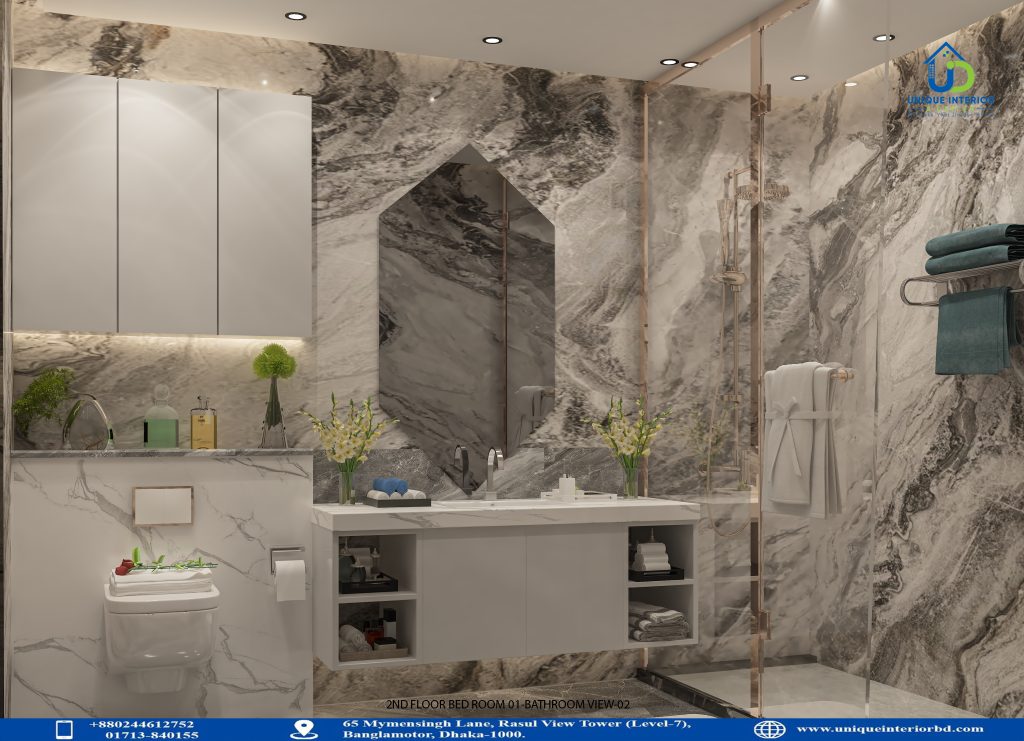
Bathrooms in Bangladesh often have to fit a lot in a small space. Waterproof finishes, anti-slip tiles, and good drainage are essential. Don’t forget about storage for toiletries and cleaning products.
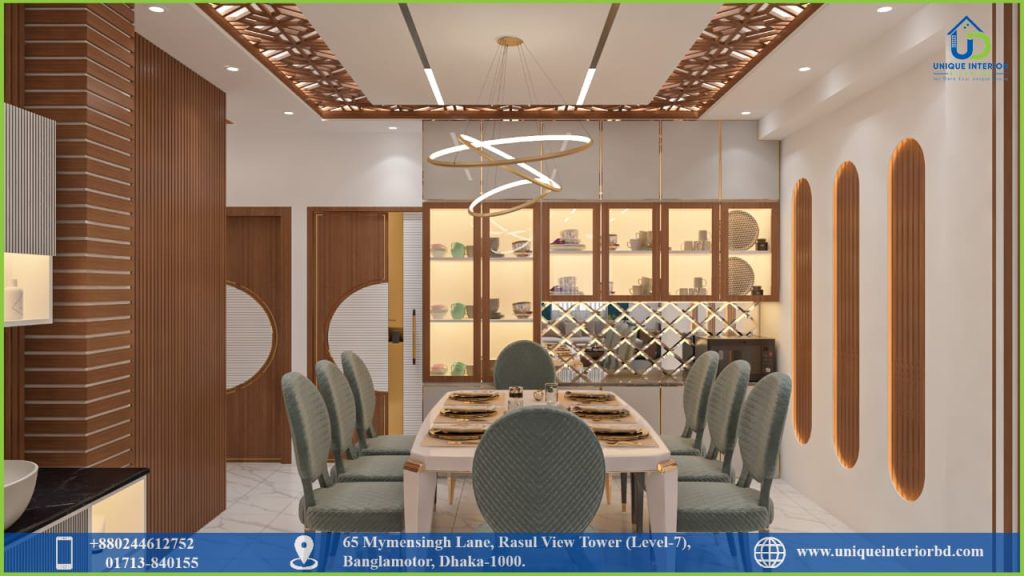
Dining areas can be formal or casual. The table size should match your family and the room. Think about lighting and ease of movement—avoid placing tables where people will bump into them.
Non-obvious insight: In Dhaka, flexible furniture (like foldable tables or stackable chairs) can help when hosting large gatherings in small homes.
Not all homes are the same. Interior design for a small city flat is very different from a large house in the suburbs. The right choices depend on your home’s size, shape, and location.
Space is limited, so every inch counts. Use vertical storage, sliding doors, and built-in furniture to save space. Light colors and mirrors can make rooms feel bigger.
These homes allow more creativity with split-level designs or open staircases. Zoning—separating private and public spaces—matters here.
With more space, you can experiment with different themes for each room, large windows, or even indoor gardens. But maintenance costs also rise, so pick durable materials.
If you rent, focus on changes you can take with you—like curtains, carpets, or modular shelves. Avoid heavy custom work that you can’t move.
Tip: When designing for resale or rental, choose neutral styles that appeal to more people.
In Bangladesh, materials must handle humidity, dust, and heavy use. Knowing your options—and the terms designers use—helps you make better choices and avoid surprises.
Designers may use words like modular, false ceiling, or POP. If you’re new to these terms, our [Interior Design Glossary] explains them in plain language.
Here’s a quick comparison of common materials:
| Material | Best Use | Durability | Maintenance |
|---|---|---|---|
| Plywood | Cabinets, Furniture | High | Low |
| MDF | Decorative Panels | Medium | Medium |
| Laminate | Worktops, Cabinets | High | Low |
| Granite | Kitchen Counters | Very High | Low |
Insider tip: Ask your designer to show you samples before finalizing. Sometimes the same material looks or feels different in real life compared to photos.
Interior design is not just for houses. Offices, hotels, restaurants, and showrooms in Bangladesh each have their own needs. A space that feels great can attract more clients, boost staff productivity, or create a strong brand image.
Modern offices need flexible layouts, good lighting, and sound control. Open-plan designs are popular, but quiet zones are also important for focus. Ergonomics—making sure furniture fits the human body—is a priority.
Ambience matters as much as food. Lighting, seating comfort, and even the layout of the kitchen affect customer experience. Local themes—like Bengali art or traditional patterns—can make your space stand out.
Hotels must balance comfort, style, and durability. Lobbies, rooms, and dining areas each need different designs. Small details, like good lighting and noise control, can set your property apart.
A good showroom layout highlights your products and guides customer movement. Flexible displays and bright lighting help items look their best.
Don’t forget the outside! Facades, gates, and gardens are your property’s first impression. Well-designed exteriors also improve security and weather resistance.
Compare design needs for different sectors:
| Space Type | Main Focus | Key Challenge | Must-Have Feature |
|---|---|---|---|
| Office | Productivity | Noise Control | Ergonomic Furniture |
| Restaurant | Ambience | Table Turnover | Flexible Seating |
| Hotel | Comfort | Durability | Soundproof Rooms |
| Showroom | Product Display | Lighting | Modular Shelving |
Practical advice: If you run a business, invest in design that reflects your brand. People remember how a place made them feel, not just what it looked like.
Not all interior design projects in Bangladesh are the same—local climate, building codes, and even cultural habits change from city to city. What works in Dhaka’s apartments may not suit a Chattogram bungalow or a Sylhet villa.
Space is tight and rules are strict. Focus on smart storage, multi-use furniture, and natural light. Be sure to check building society or RAJUK rules before major changes.
Homes here are often larger, but the humid, coastal climate means you need materials that resist mold and salt. Airflow and strong, rust-proof fittings are important.
Here, traditional designs often mix with modern comforts. Large windows, open balconies, and airy layouts are common. But make sure to pick materials that suit local weather.
Local insight: In many cities, power cuts are common. Plan for backup lighting, and use finishes that hide dust or stains.
With so many options, how do you pick the right firm? Some companies only do basic layouts; others offer full project management, from design to delivery.
Here’s how the best companies stand out:
| Company Feature | Top Firms | Smaller Firms |
|---|---|---|
| Design Depth | Room-by-room, custom themes | Basic layout only |
| Project Management | Full service (design + build) | Design only, client arranges labor |
| Material Sourcing | Direct from suppliers | Retail market, limited options |
| After-Sales Support | Warranty, maintenance help | Often none |
For help choosing, read our expert guide.
Common mistake: Don’t just go with the lowest quote. Cheap work often means poor materials or hidden costs later.
Non-obvious insight: Visit at least one project the company has finished recently. Photos can be edited, but real spaces tell the truth.
Major changes, like moving walls or changing plumbing, often need approval from authorities like RAJUK. For legal details and step-by-step guidance.
Both have pros and cons. Firms usually offer a “one-stop” package, managing everything from design to delivery. Independent architects may give more personal attention but usually require you to hire contractors separately.

Sarwar Hossain is an interior design professional with 15+ years of experience and the founder of Unique Interior BD, which has completed 350+ interior and fit-out projects across Bangladesh since 2015. He is the Vice President of the Bangladesh Interior Companies Association, a General Member of the Entrepreneurs Club, and winner of the South Asian Business Excellence Awards 2025.



[…] on sustainability, personal expression, and flexible living. But what are the latest trends in interior design, and why are they so popular? Let’s explore the newest ideas, colors, materials, and layouts […]
[…] the principle of “less is more” is essential to capturing the true essence of Scandinavian interior design. Prioritizing simplicity, neatness, and practicality creates spaces that feel both serene and […]
[…] or relaxing. This adda culture shapes how cafés are used here. So, when planning a coffee shop/cafe interior design in Bangladesh, you need more than just trendy looks. The real challenge is to create spaces that welcome long […]
[…] a modern look but hate cleaning, consider pale gray or soft taupe. These colors are popular with interior designers for a reason—they look smart and don’t show dust as quickly. Just be sure to test a small patch […]
[…] For a deep dive on bedroom layouts, storage ideas, and materials that last in our climate, see our Bangladesh Bedroom Interior Design Guide. […]
[…] explore how hotel interior design in Bangladesh can grow your revenue and make your operations smoother, even on a realistic […]